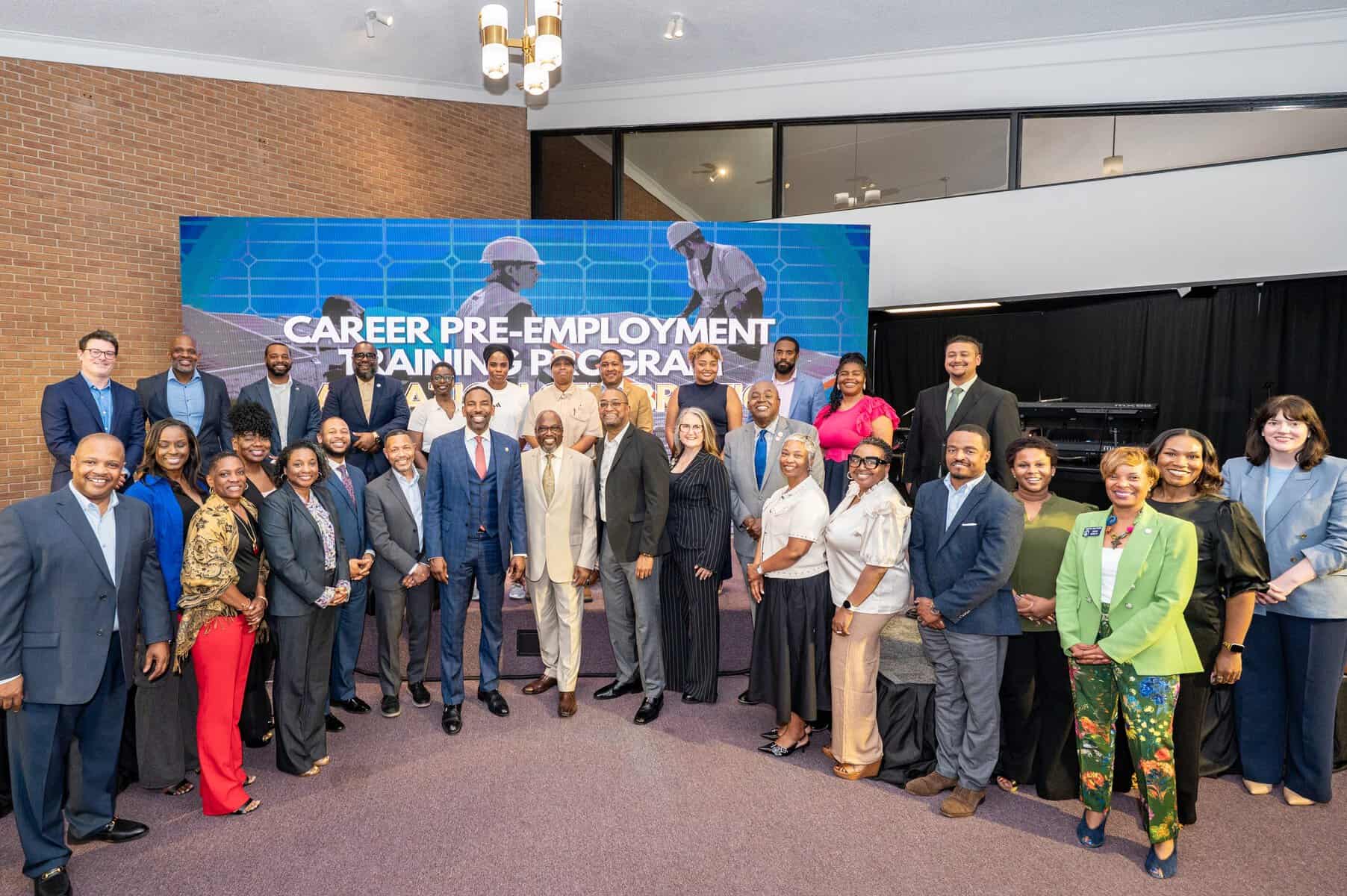
Twenty Atlanta-area residents are stepping into new career opportunities after completing an Energy Career Pre-Employment Training program supported by the City of Atlanta’s Co-Design Lab, Georgia Power, Groundswell, and community partners.
The graduation ceremony, held Monday evening at Vicars Community Church in southwest Atlanta, celebrated participants who completed workforce training designed to connect residents to careers in the growing clean energy and infrastructure sectors.
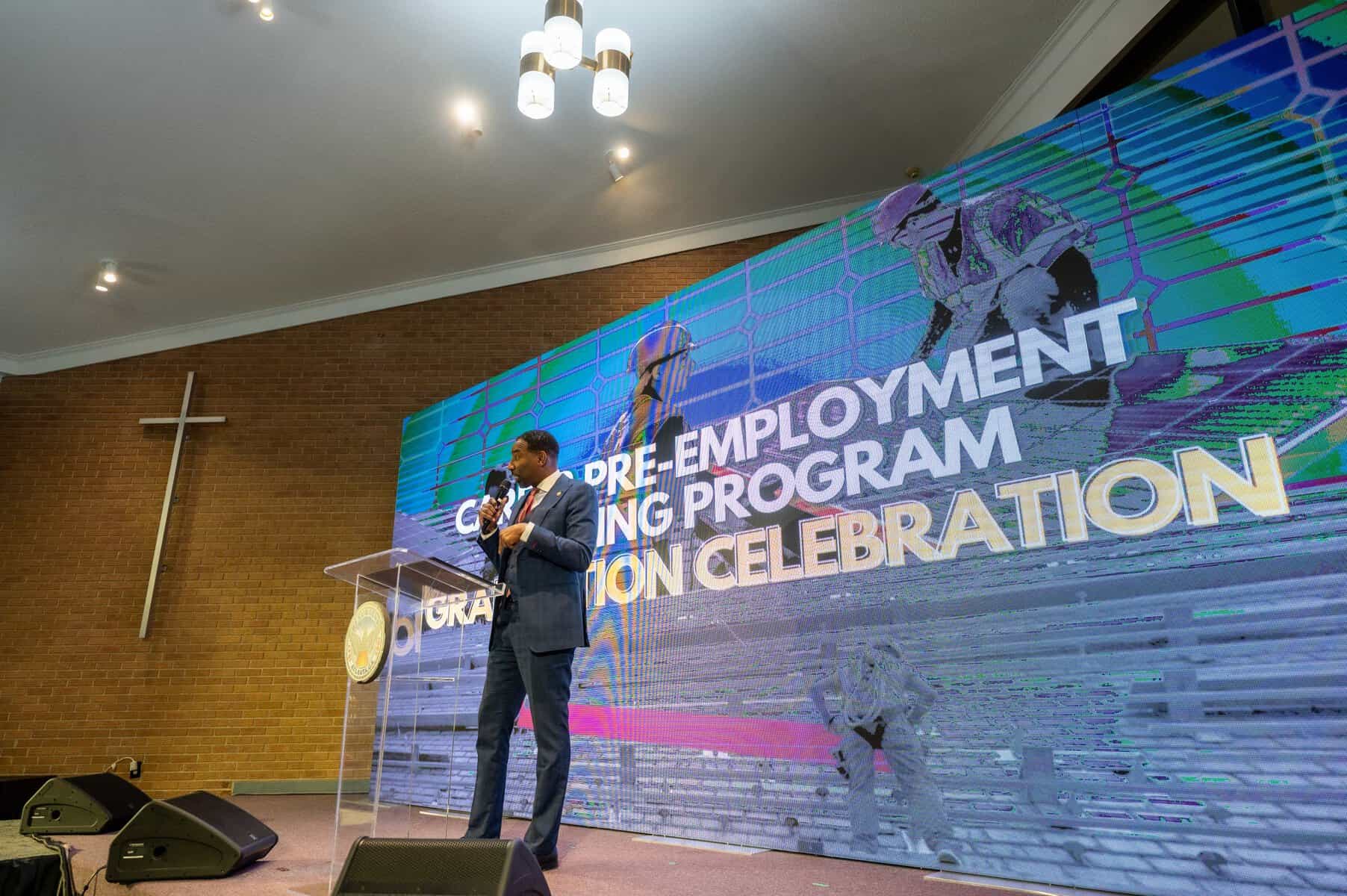
Mayor Andre Dickens delivered the keynote address, highlighting the importance of preparing residents for emerging industries while creating pathways to economic mobility.





“This is about making sure residents are prepared for the jobs of today and tomorrow,” Mayor Dickens said during remarks to graduates and partners. “As industries evolve, we want our communities positioned to benefit from the opportunities being created right here in Atlanta.”






The program is part of a broader workforce development effort tied to resilience, sustainability, and economic opportunity initiatives taking shape across metro Atlanta.
The City of Atlanta’s Co-Design Lab helped design the program, fund wraparound support services for participants, and lead evaluation efforts to better understand long-term outcomes for graduates.
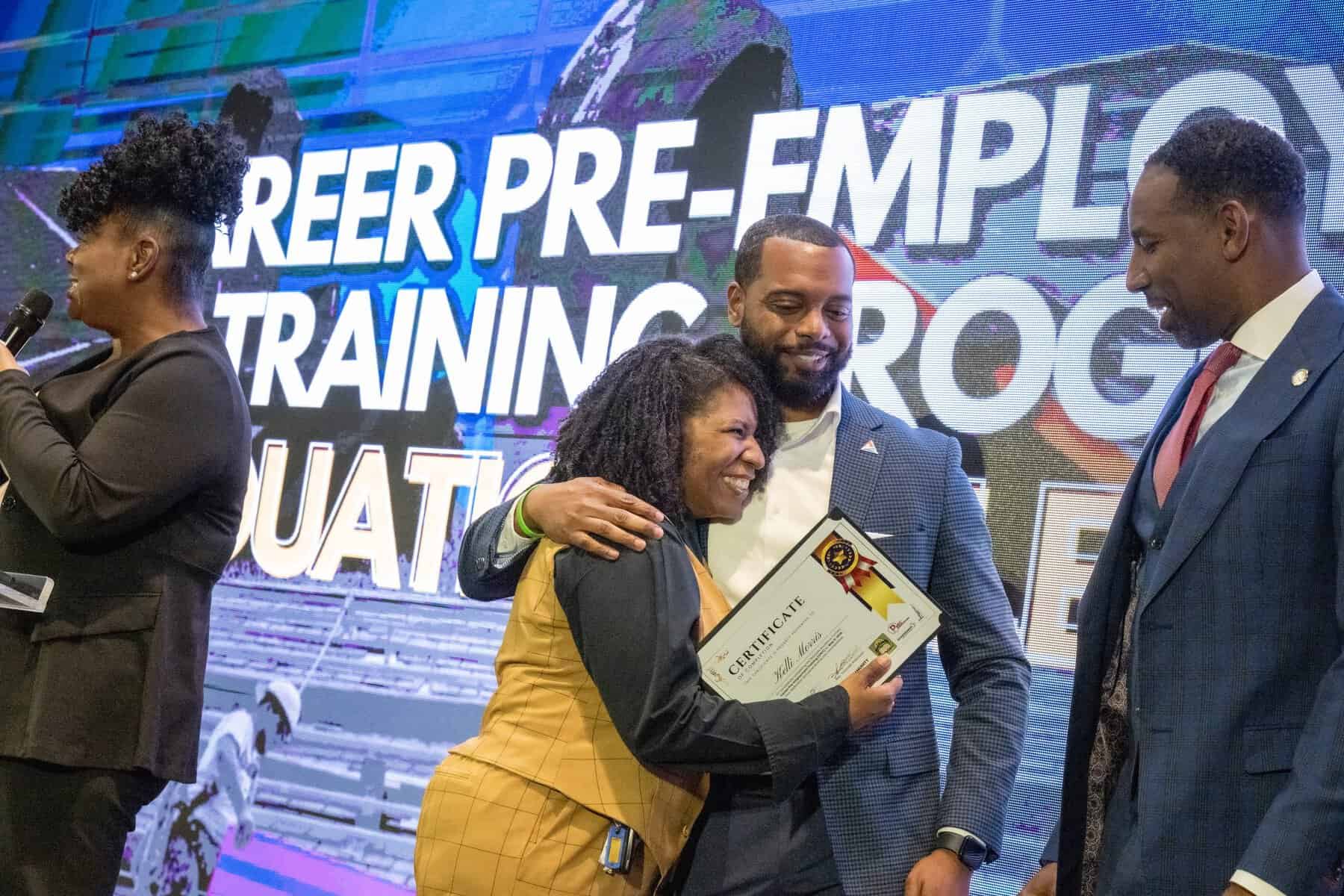
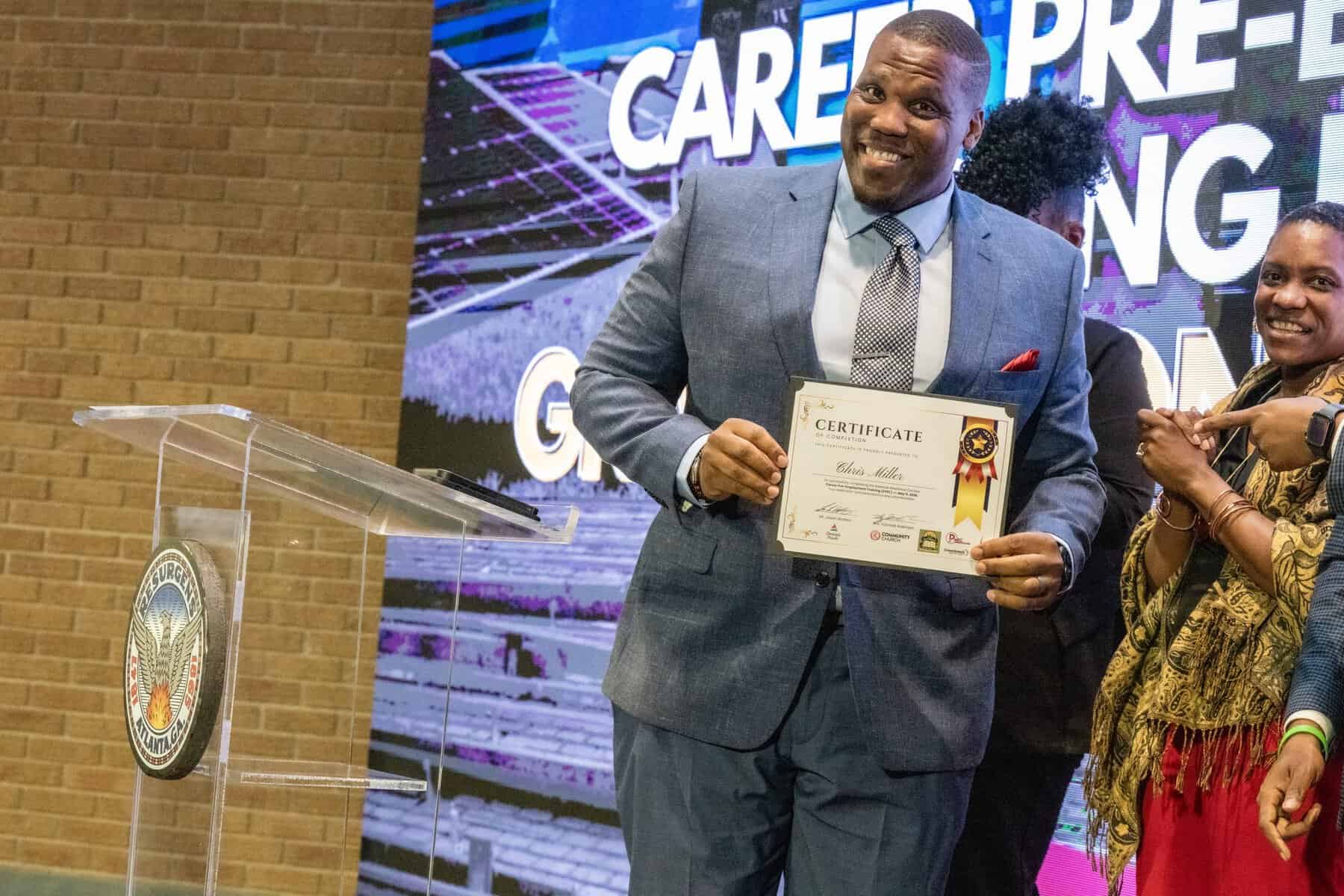
The evening featured reflections from graduates, recognition of community and corporate partners, and certificate presentations for the 20 participants who completed the training program.
Community leaders, workforce development partners, faith organizations, and energy sector representatives joined the ceremony, including leaders from Georgia Power and Groundswell.
Organizers say the initiative is designed not only to help residents gain employment skills, but also to connect communities to long-term economic opportunity as demand grows for workers trained in energy, infrastructure, and resilience-related fields.
The graduation also highlighted expanding partnerships tied to the Westside Resilience Corridor and future workforce initiatives planned for 2026 and beyond.