When the world comes to Atlanta for the 2026 FIFA World Cup, millions of visitors will expect the basics to just work.
Water. Transit. Power. Streets.
Behind the scenes, the City is preparing for that moment — down to the pipes beneath our feet.





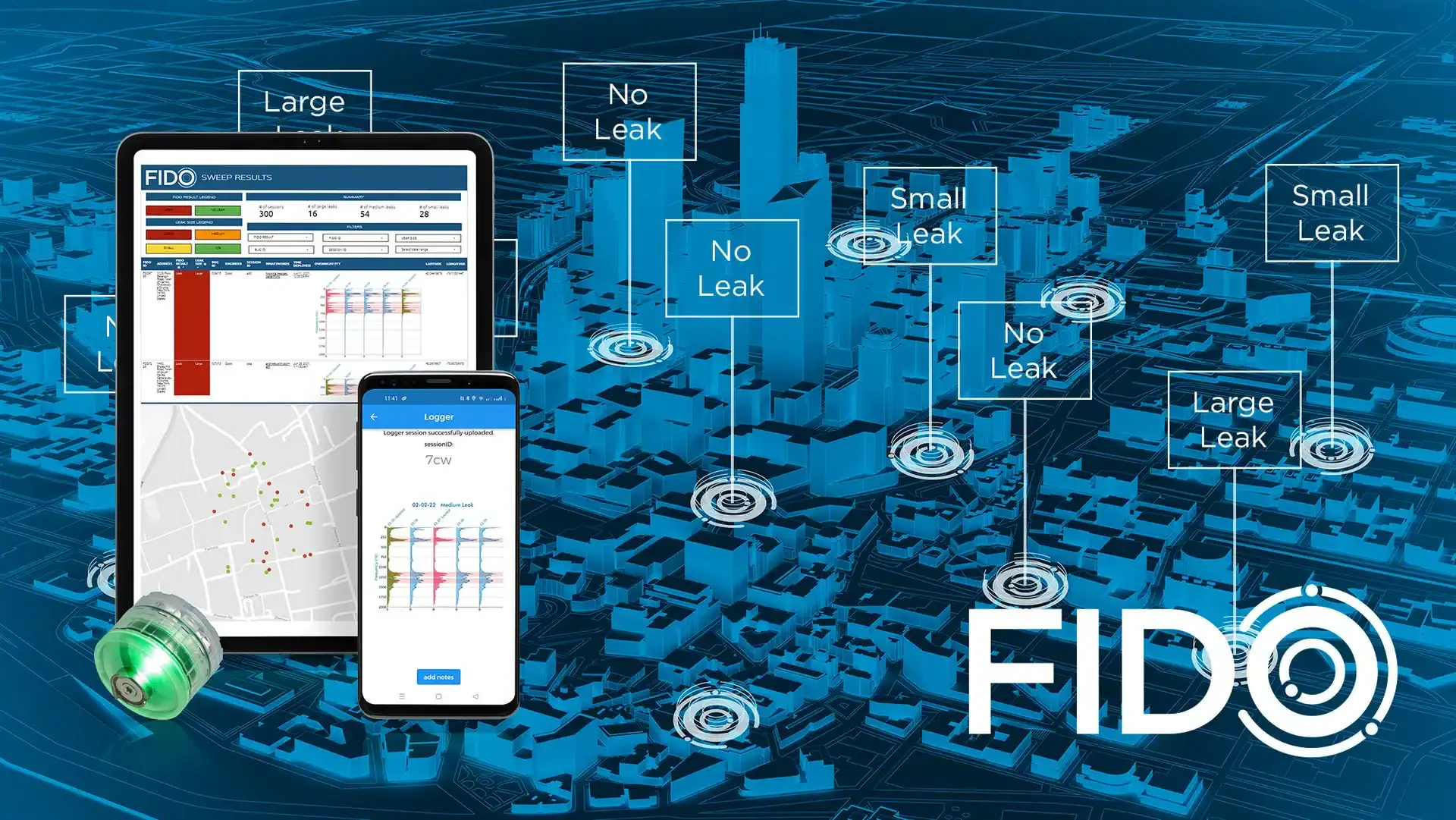
Through a water loss technology pilot, the Department of Watershed Management is using AI-powered acoustic sensors to detect hidden leaks across critical areas of the city, including corridors near Buckhead MARTA and major FIFA activity zones.
And what they’re finding matters.
Listening to the System
 Atlanta maintains roughly 2,800 miles of water distribution pipe. Some of it dates back decades. Most of it works silently — until it doesn’t.
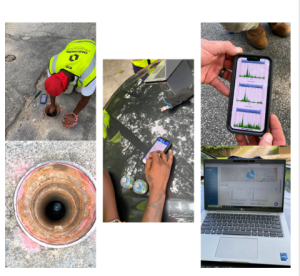
In Phase 5 of the pilot project, crews deployed 176 smart acoustic sensors across 20 miles of water mains in northwest Atlanta. The sensors attach non-invasively to hydrants, valves, and meters. Artificial intelligence then analyzes the sound data to pinpoint the exact location and intensity of underground leaks.
The results:
35 previously undetected leaks identified — representing an estimated 125 million gallons of water loss per year.
Four were large.
Four were medium.
Twenty-seven were small.
Three of the most significant leaks have already been repaired, saving an estimated 52,000 gallons of water per day.
Protecting Critical Corridors
The next phase moves directly into FIFA-adjacent infrastructure.
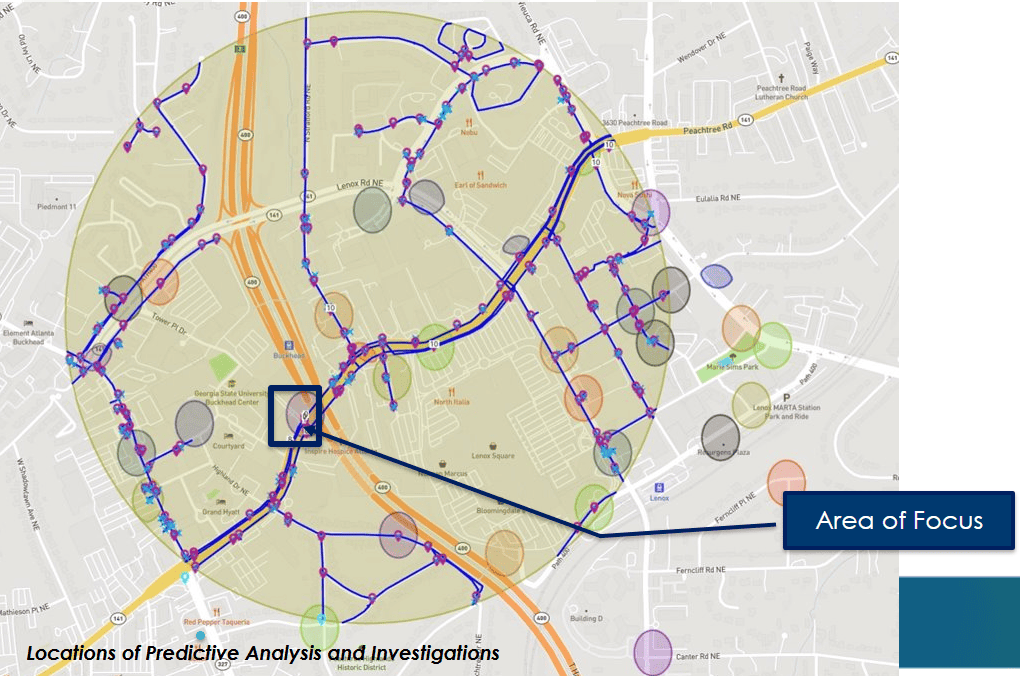 Phase 6 is focused on identifying the source of water leaking into a Georgia Power electrical vault near Buckhead, adjacent to MARTA and Lenox Mall. Analysis confirmed the leak originates from potable water within the City’s system, and crews have narrowed the investigation to a specific location on Peachtree Road.
This kind of proactive coordination protects not only water reliability, but also power infrastructure and transit corridors that will serve global visitors.
It’s invisible work. But it’s critical work.
Preparing 330 Miles for 2026
Atlanta is evaluating approximately 330 miles of pipe — nearly 12% of the city’s entire distribution system — focused specifically on areas tied to 2026 FIFA World Cup operations.
Preparing for FIFA isn’t just about stadiums and fan festivals.
It’s about ensuring the systems residents rely on every day are strong, stable, and ready.
The sensors will continue rotating through priority areas, validating repairs and refining predictive analysis to prevent future water loss.
What Residents Should Know
• Leak detection is happening proactively — not because of failure, but to prevent it.
• Repairs are prioritized by severity and risk.
• This technology allows the City to fix issues before they disrupt service.