Most people don’t think about data centers very often but they power much of daily life. Streaming shows, online banking, medical records, and cloud storage all rely on them.
As Georgia sees a surge in new data centers, leaders across the region are working to understand what that growth means for communities now and in the future.
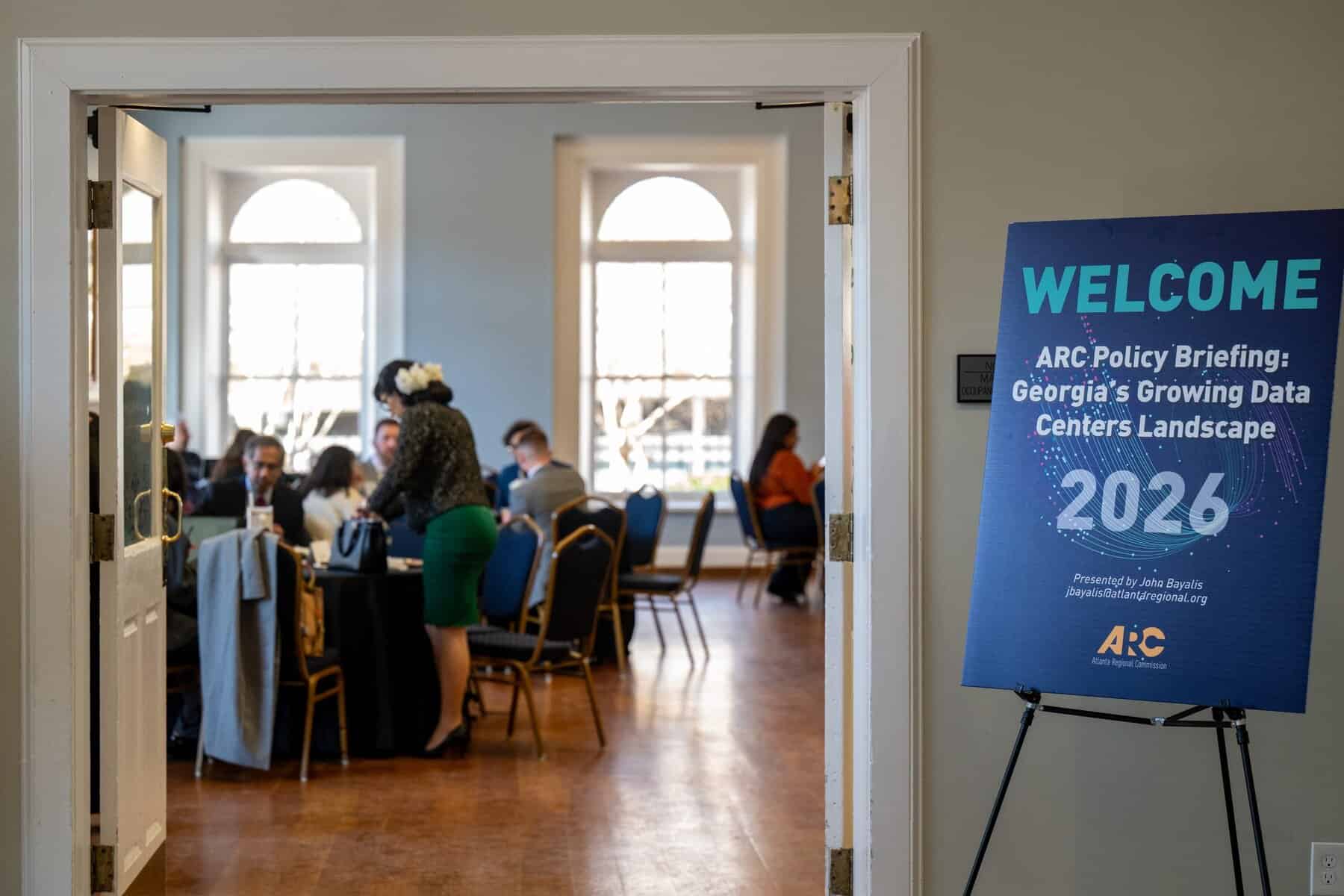
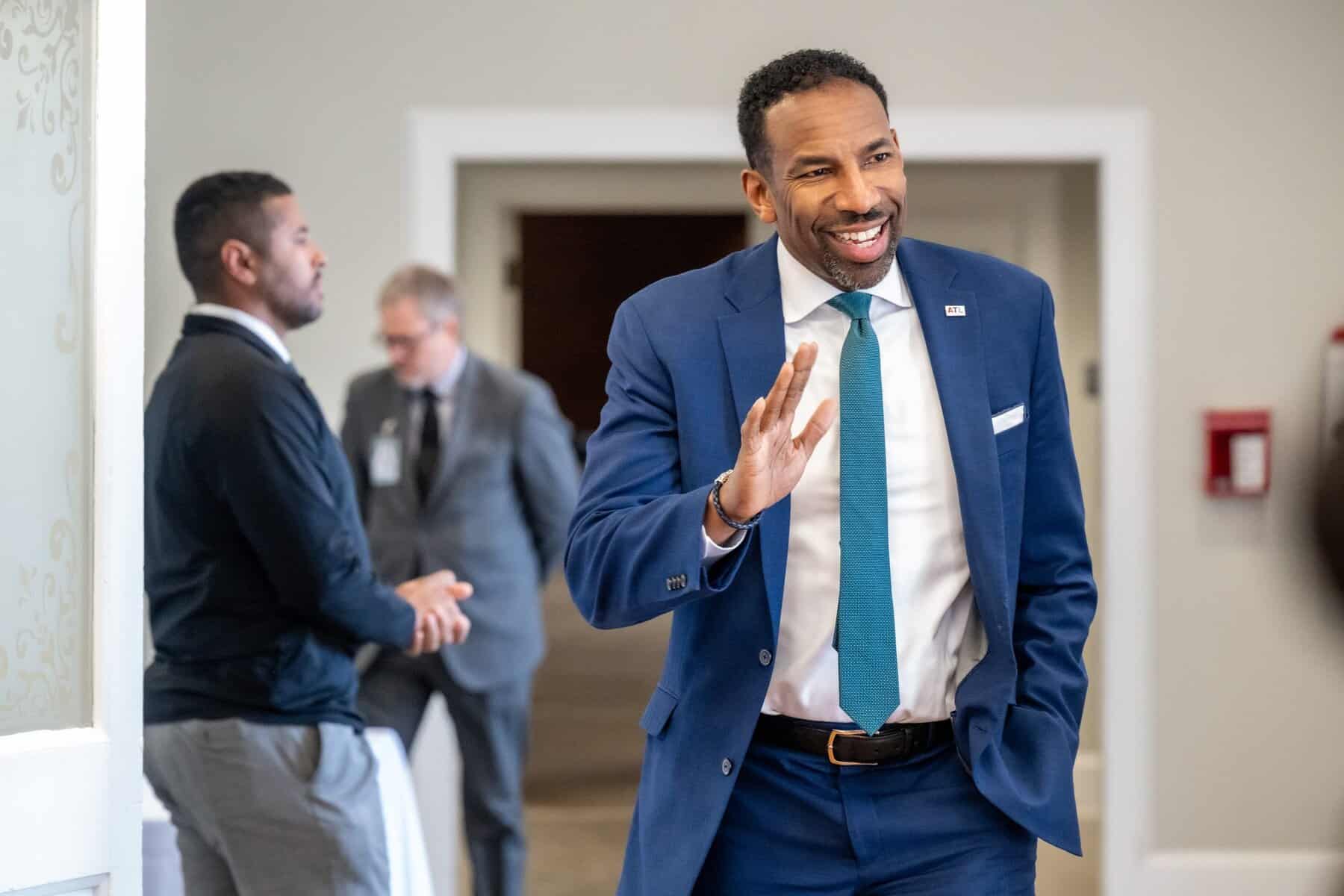
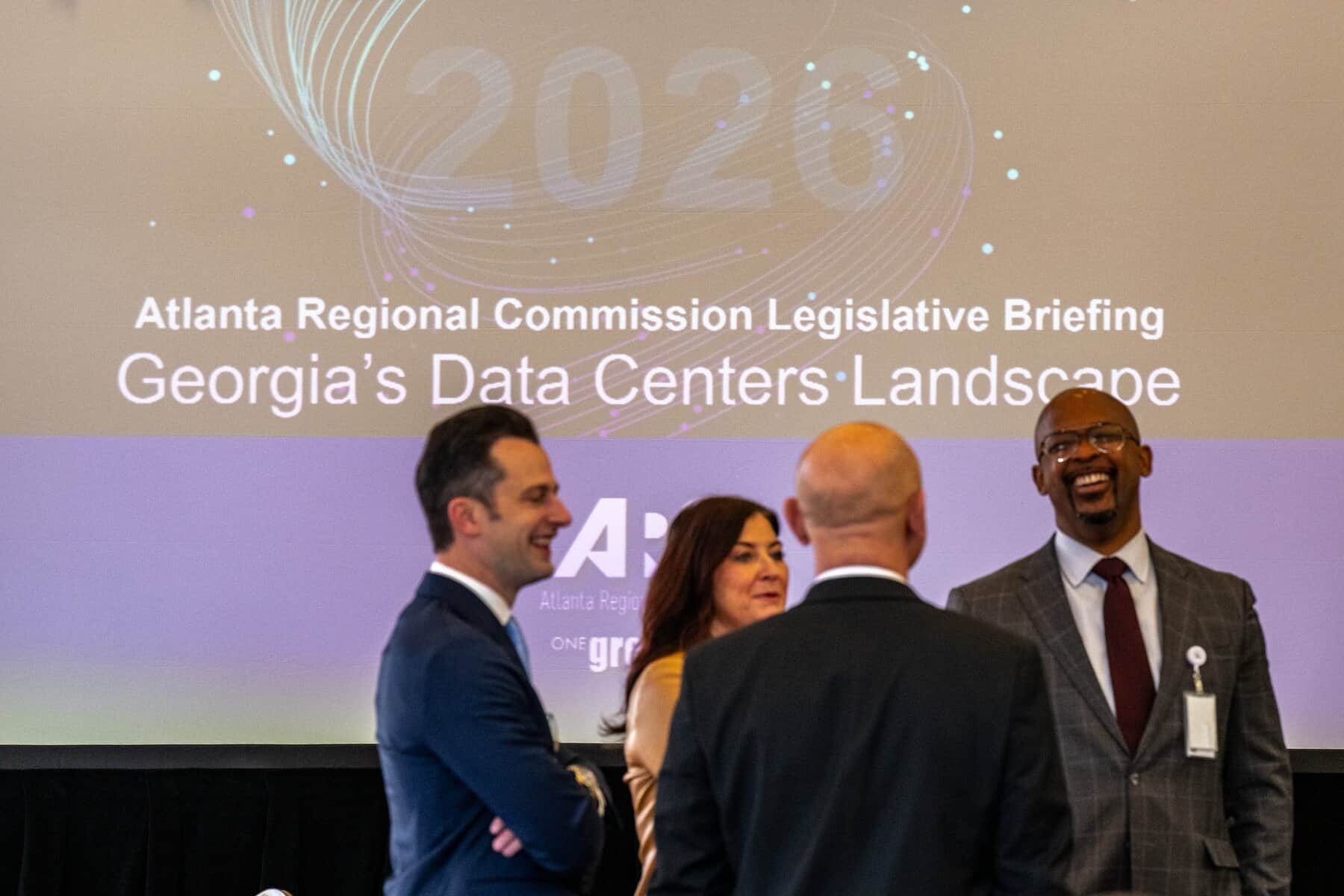
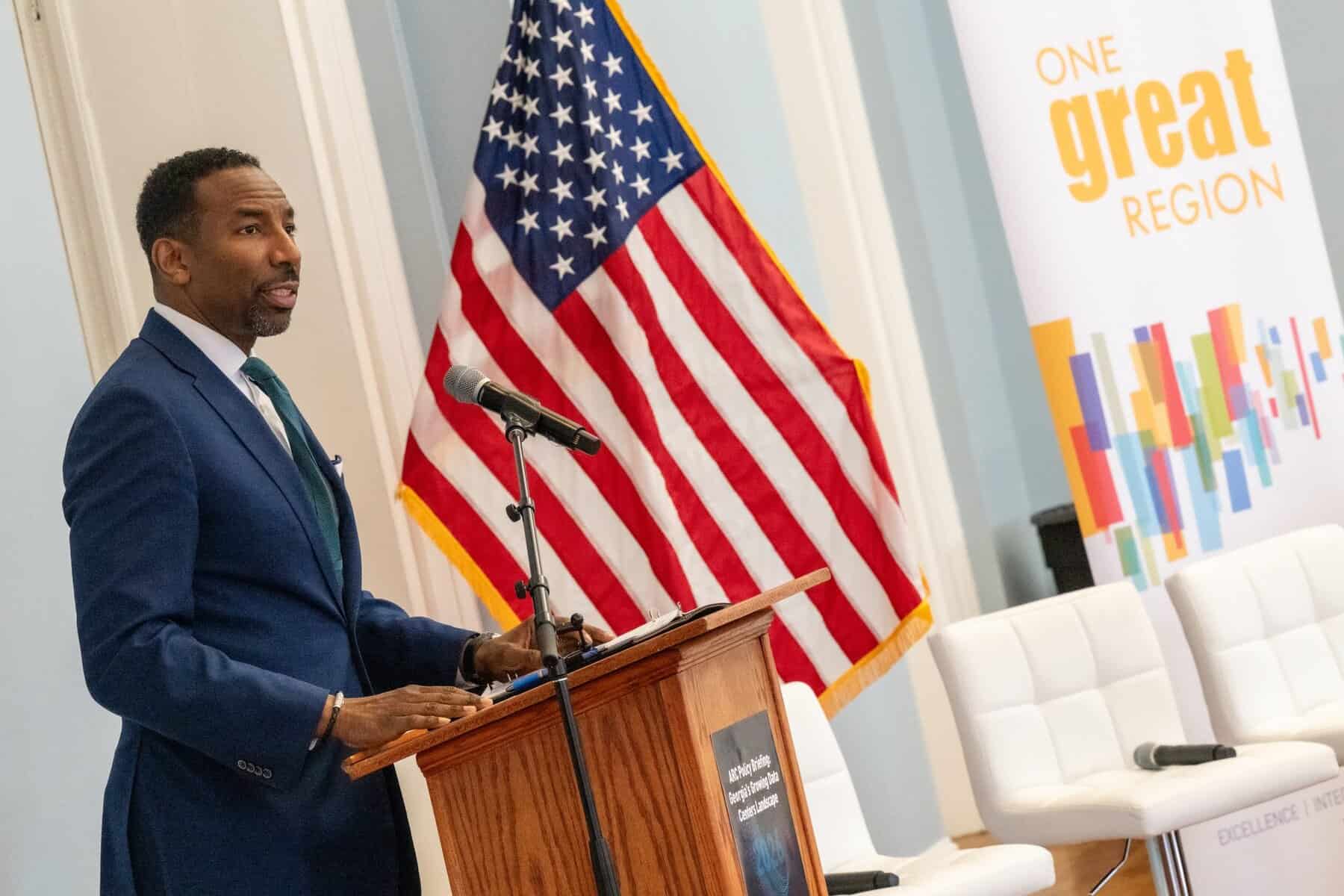
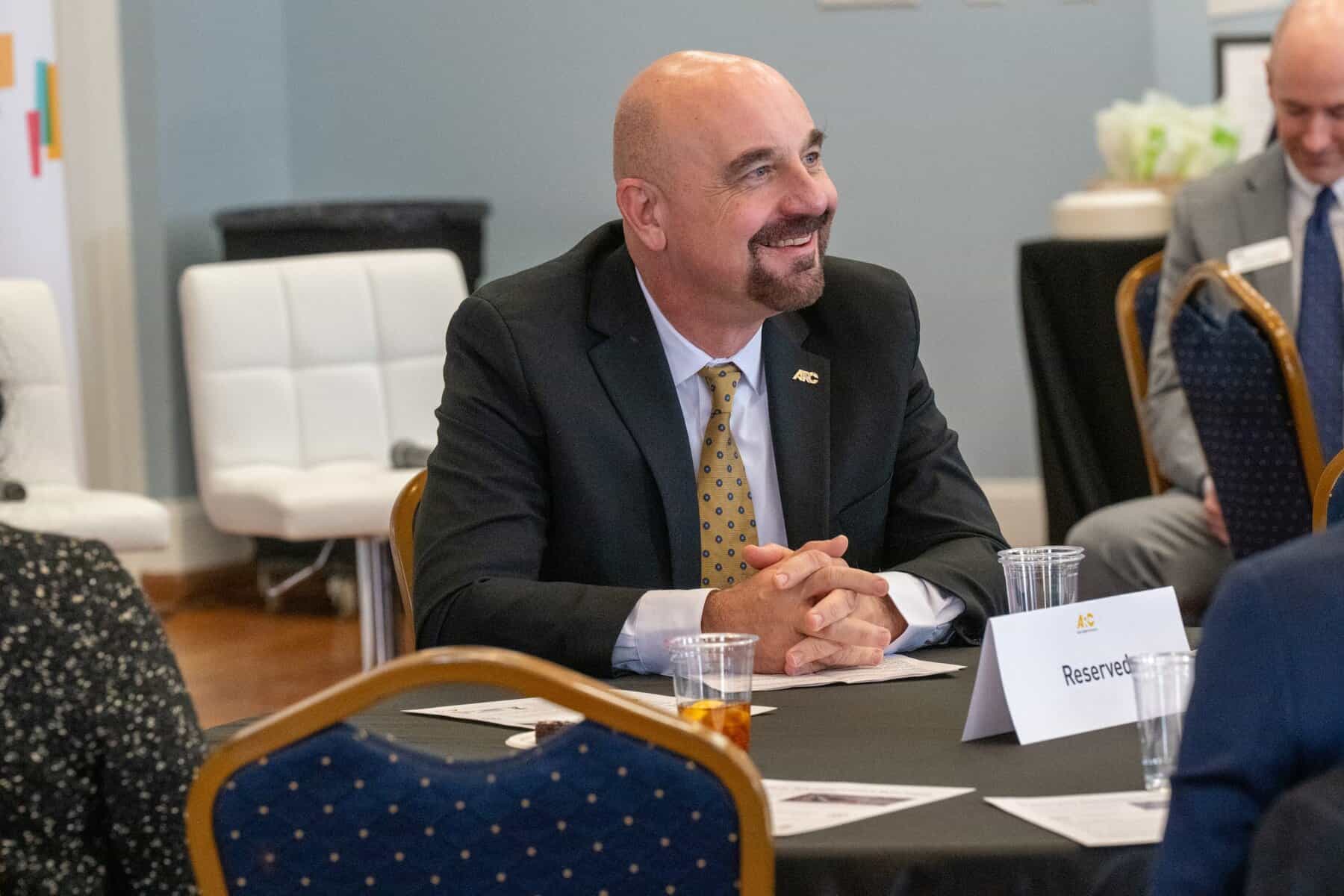
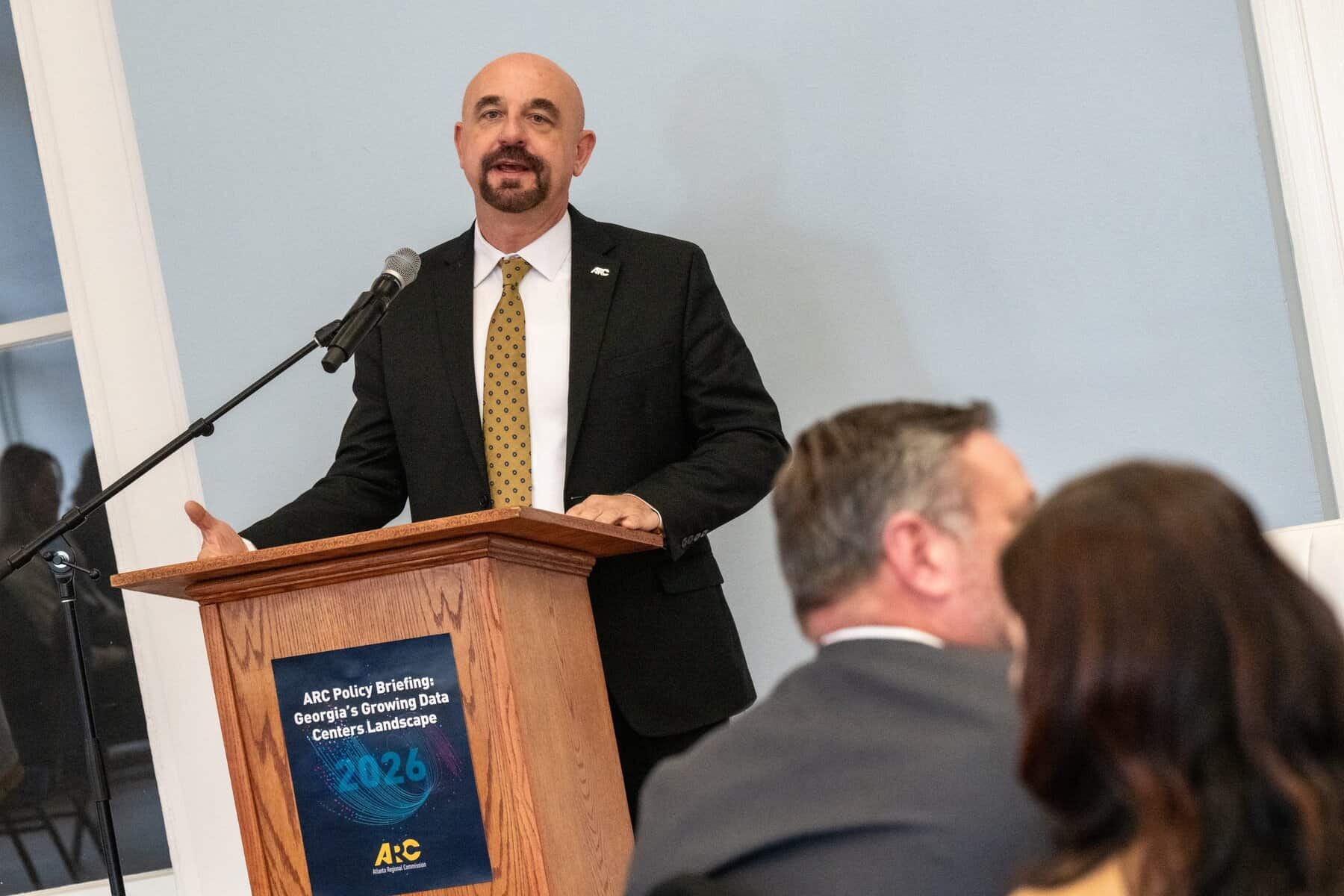
Earlier this week, Mayor Andre Dickens joined regional planners, lawmakers, and utility leaders at a policy briefing hosted by the Atlanta Regional Commission to talk through those impacts and what thoughtful growth should look like.






What is a data center and why are more being built?
A data center is a large facility that stores and processes digital information. Georgia has become an attractive place for them because of its strong infrastructure, access to power, and growing economy.
While data centers bring investment and jobs, they also require significant resources — especially electricity and water — which can affect surrounding communities if not planned carefully.
That’s why regional leaders are taking a closer look now, before growth outpaces infrastructure.
Focusing on water, energy, and long-term planning
During the briefing, ARC planners shared research on how increased demand could impact water systems and energy use across metro Atlanta and beyond. Leaders emphasized that planning ahead helps avoid strain on resources residents depend on every day.
Local government officials and utility representatives also shared real-world experiences from communities already seeing data center development. The discussion focused on balancing economic opportunity with sustainability and quality of life.
“We want decision-makers to understand the full picture,” Mayor Dickens shared during the opening conversation, noting that regional coordination is key to protecting communities while supporting responsible growth.
What this means for residents
For residents, these conversations help shape how growth happens — not just where buildings go, but how infrastructure keeps up.
Thoughtful planning can help:
- Protect water resources
- Ensure reliable energy service
- Support growth without overwhelming neighborhoods
- Keep communities informed and involved
By bringing state lawmakers and local leaders together early, ARC aims to make sure future decisions reflect both regional needs and local realities.
What happens next
ARC will continue providing data, research, and technical support as conversations about data centers move forward during the legislative session. City and regional leaders say collaboration and transparency will remain central as Georgia plans for continued growth.
Learn more: Visit atlantaregional.org to explore ARC’s regional planning work and ongoing policy discussions.