




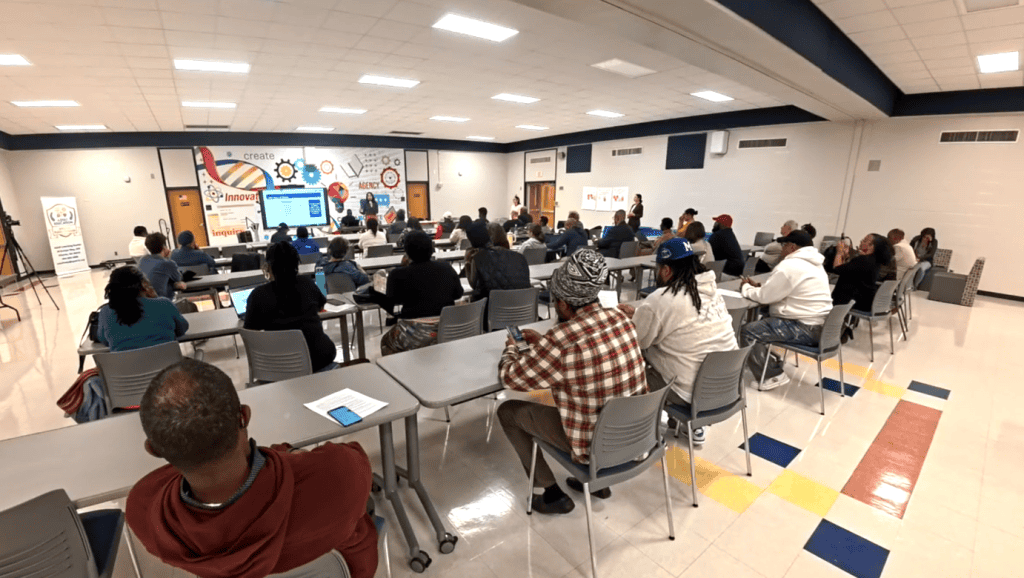
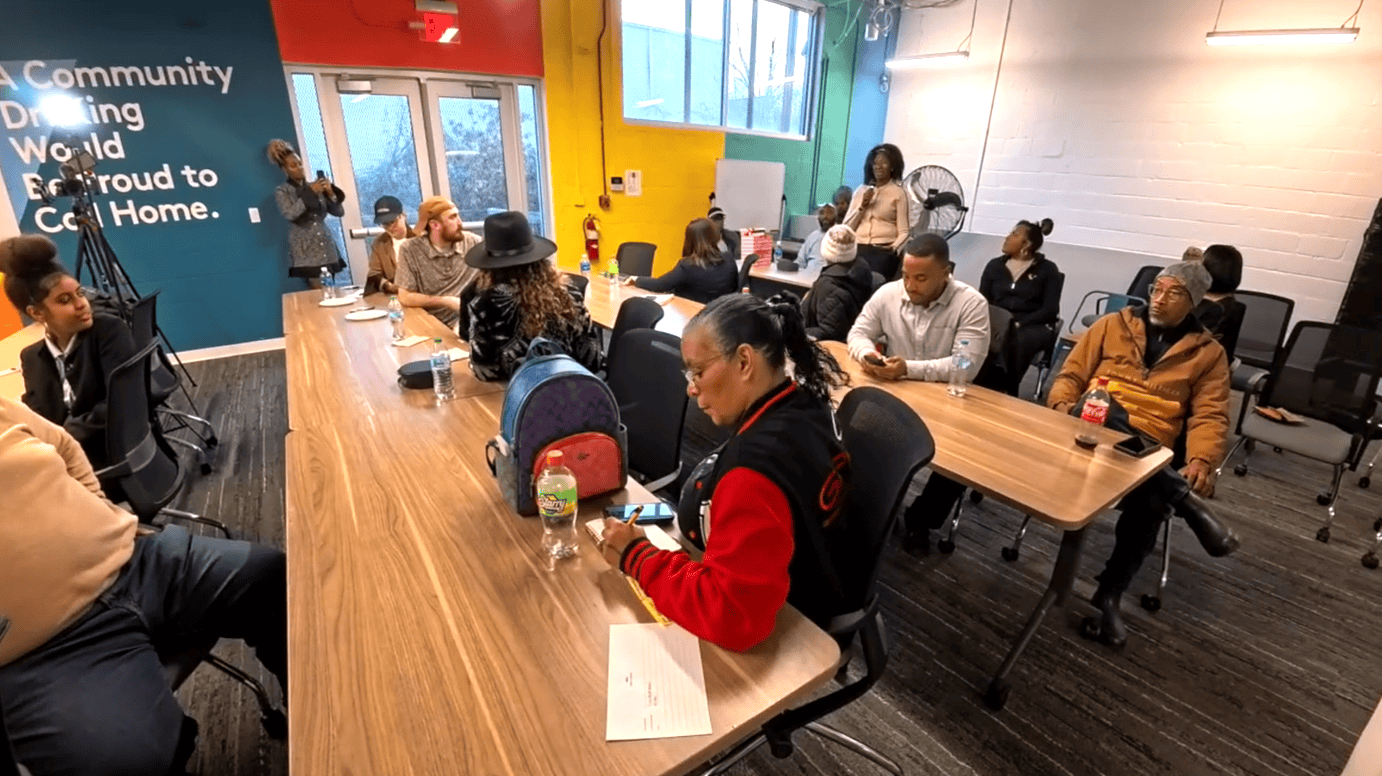
Atlanta residents gathered across multiple community hearings to discuss how the City should invest in neighborhoods moving forward.
Hosted by the Neighborhood Reinvestment Initiative Commission (NRIC), the sessions were designed to collect feedback before major funding and strategy decisions are finalized. Conversations centered on affordable housing production, financing tools, and accountability.
Clarifying the Commission’s Role
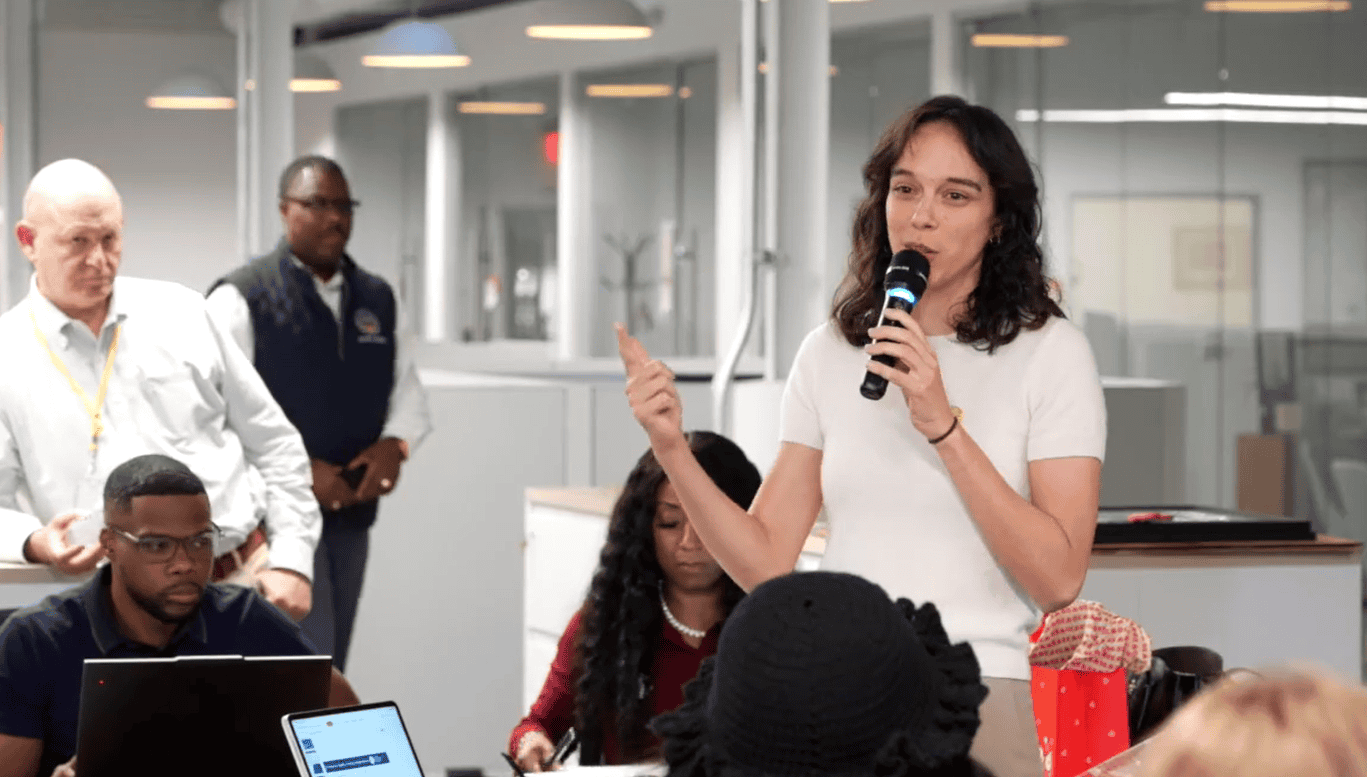
She emphasized that the focus is not only on what projects move forward, but “how are we going to make sure that we’re accountable to delivering on that work?”
Housing Progress in Context
Mayor Dickens has recently highlighted progress toward the City’s goal of 20,000 affordable housing units by 2030, noting that more than 13,000 units are already built or under construction.

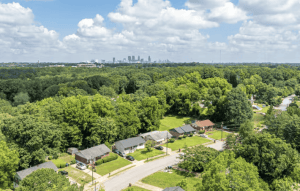
The Mayor has also highlighted the City’s direct investment in that project, including $2 million from a Tax Allocation District (TAD) and $200,000 from the Fresh Food Access Program.
These types of housing developments — along with other priorities raised by residents — were discussed during the listening sessions as examples of how reinvestment strategies take shape on the ground.
Three Areas of Focus
Dr. Eloisa Klementich, President and CEO of Invest Atlanta, outlined three priorities guiding the Commission’s review:
• Ensuring all neighborhoods benefit from reinvestment
• Using every available tool to implement successful programs
• Creating a governance and reporting structure that is “transparent” and allows residents to answer the question, “did we move the needle?”
Her remarks reinforced that reinvestment decisions will be evaluated not only on funding structure, but on measurable outcomes.
Funding Tools Under Discussion
What Happens Next
Feedback collected during the hearings will inform the Commission’s recommendations and guide future City Council decisions related to reinvestment strategy.