


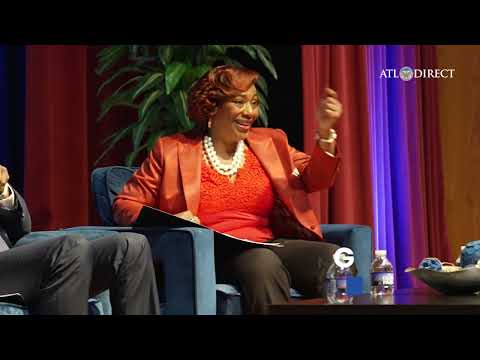
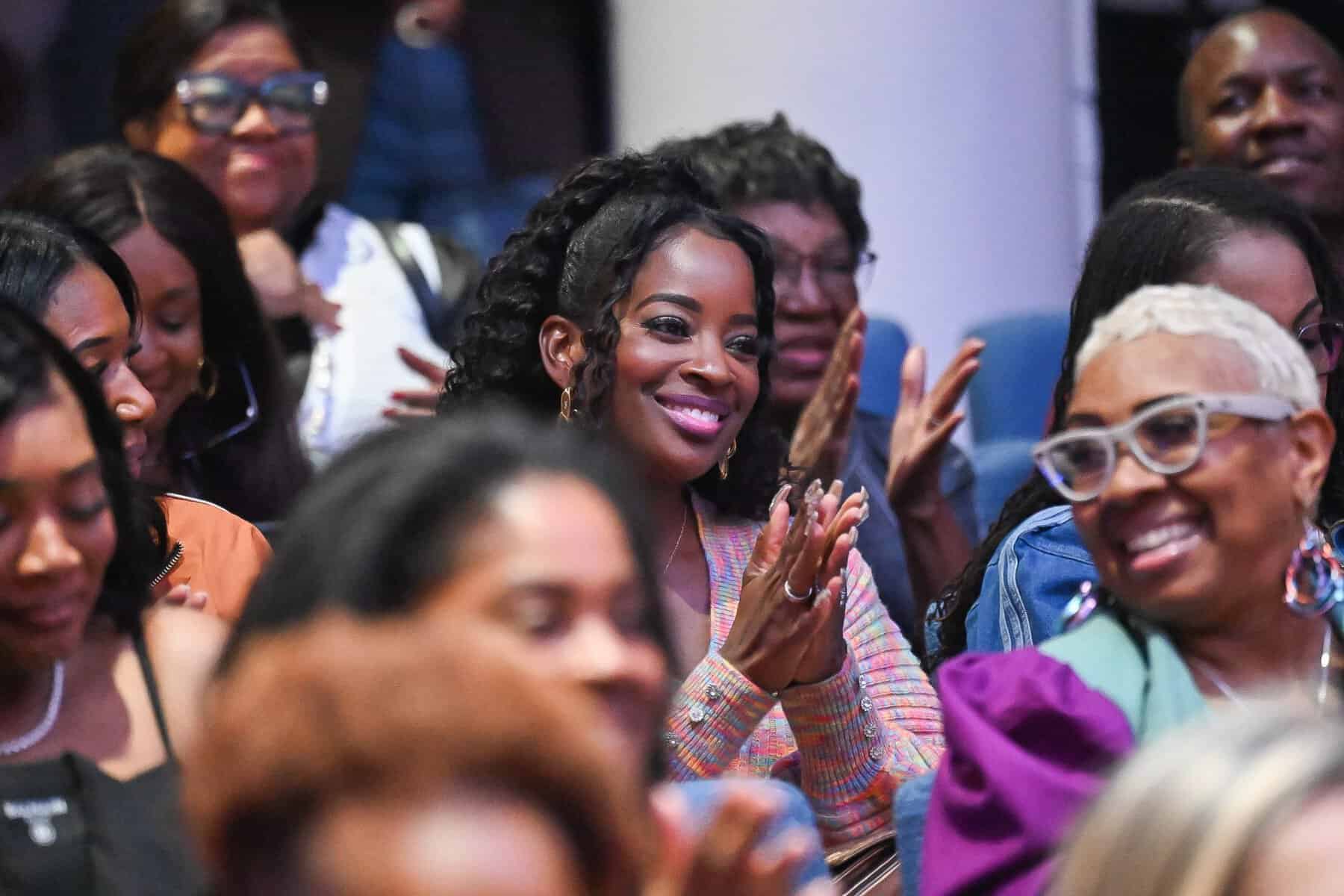
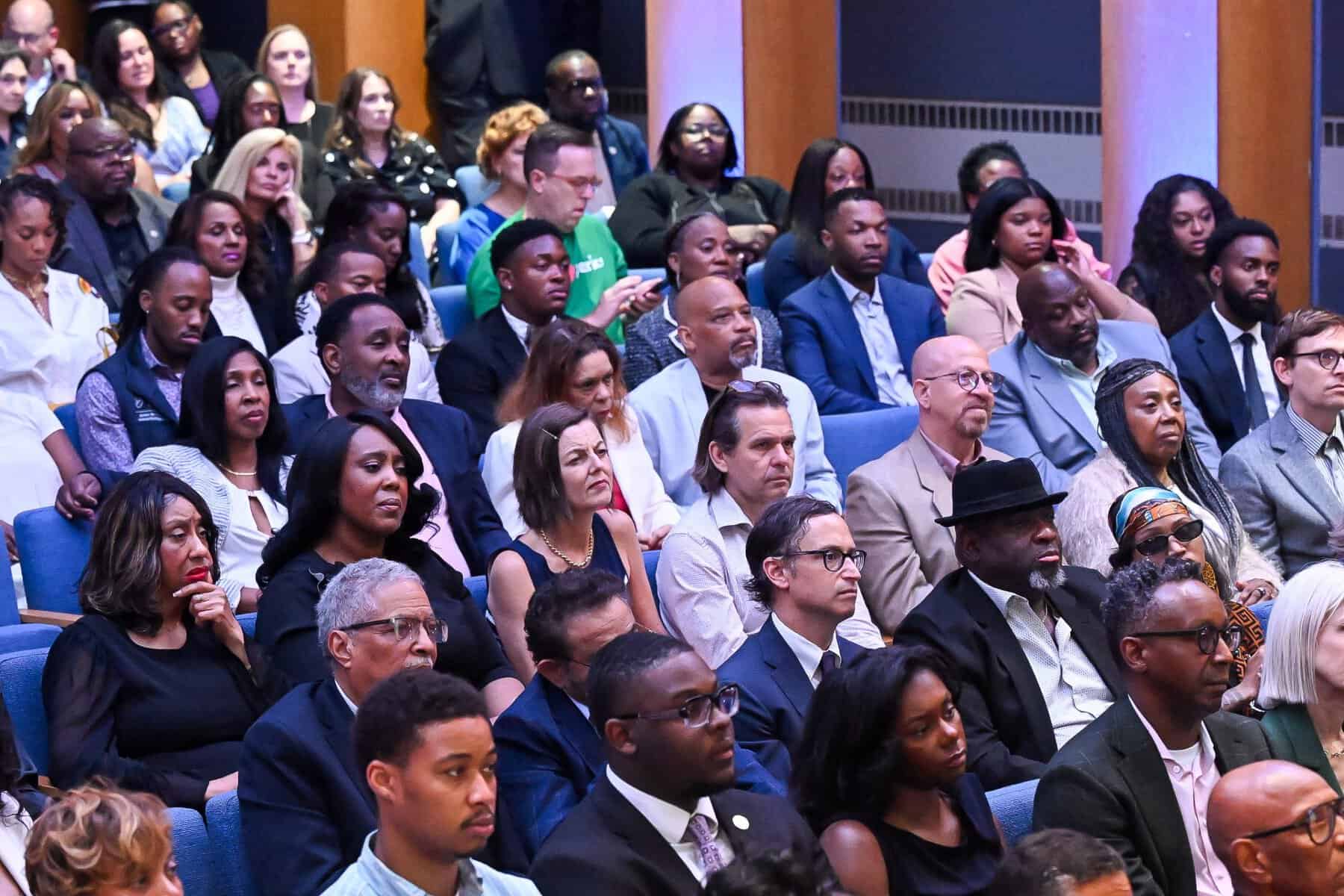
Community leaders, elected officials, advocates, and residents gathered Thursday evening at The King Center for a fireside chat focused on one central question: what kind of city Atlanta wants to become — and what it will take to get there.
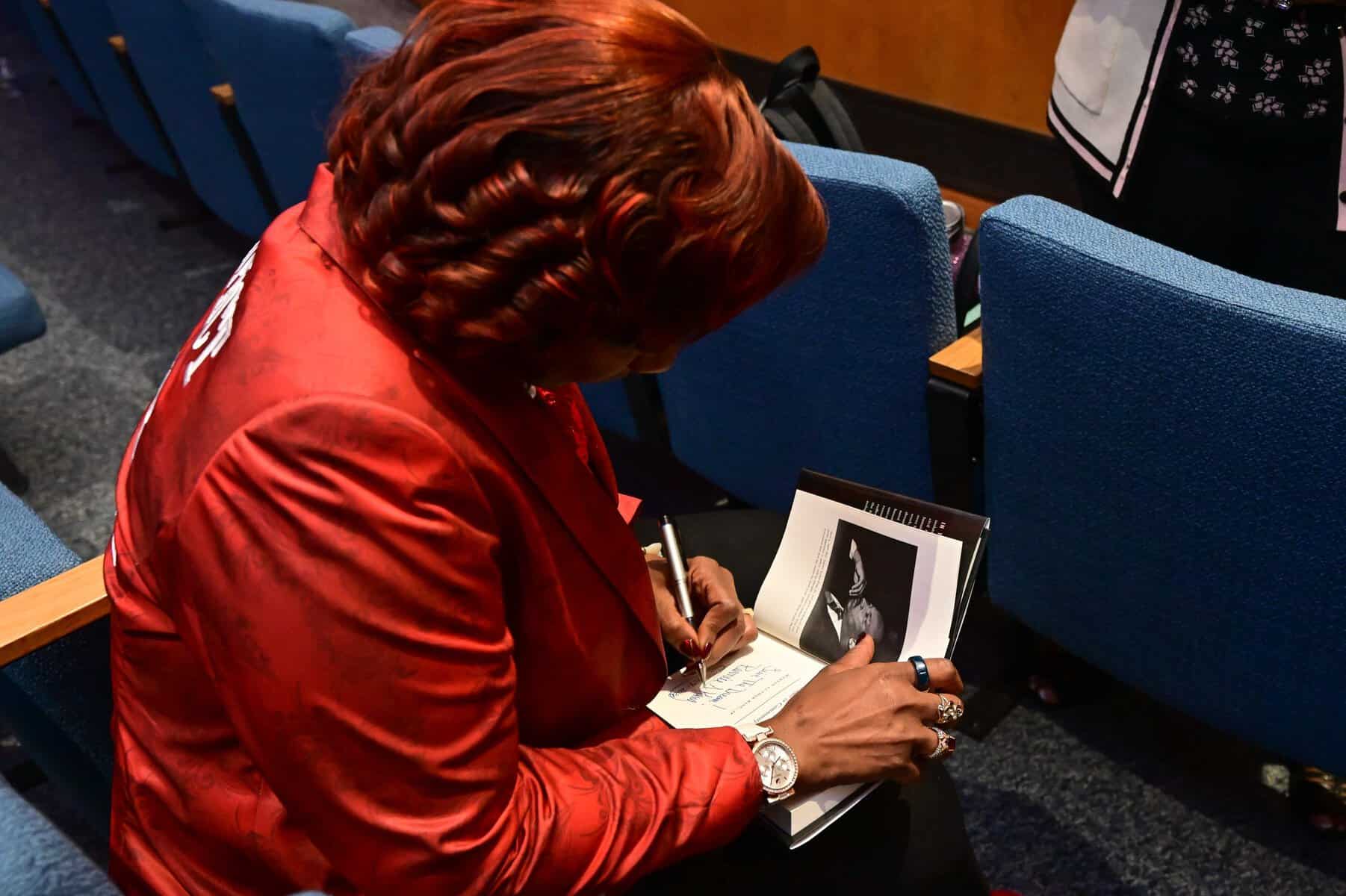
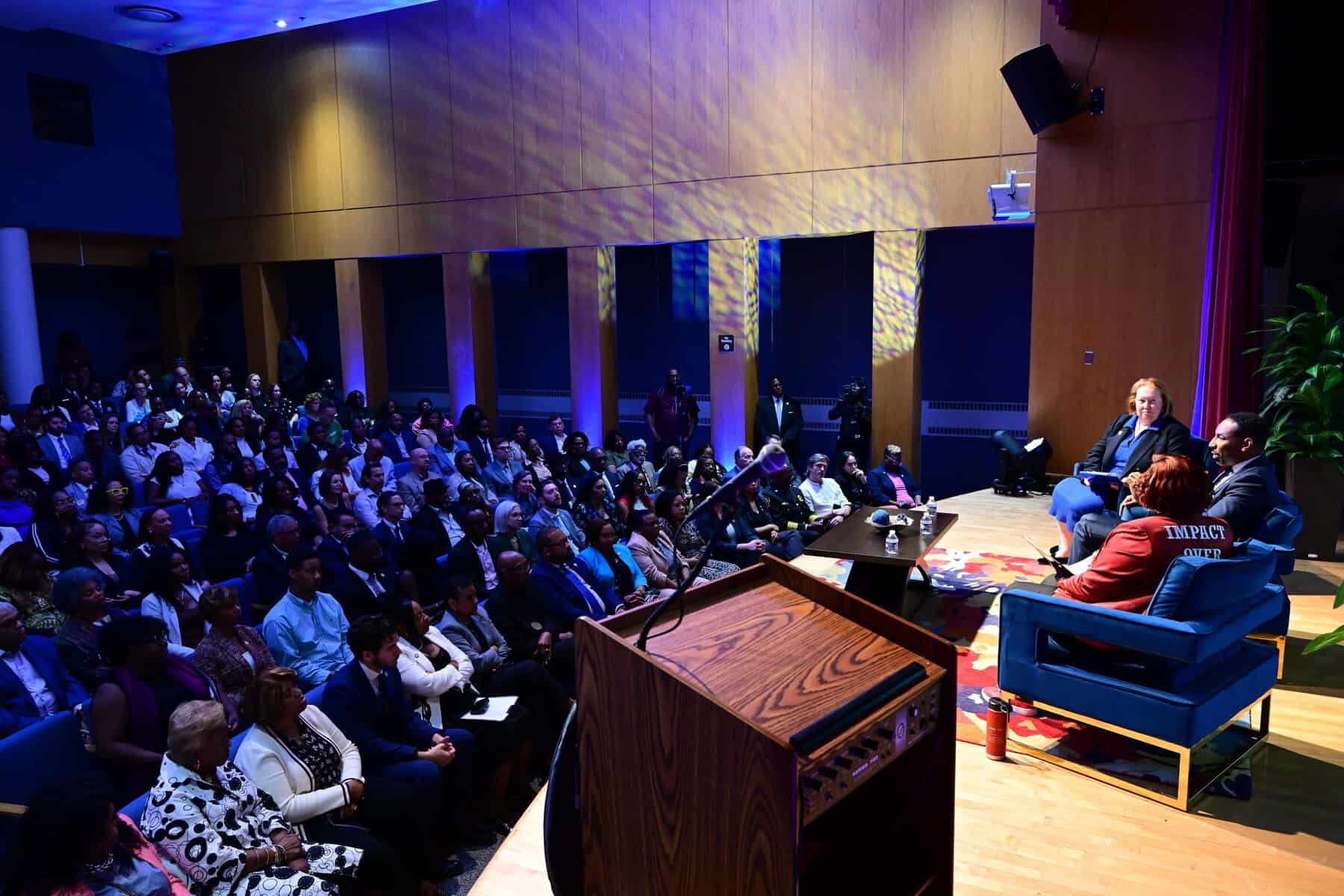
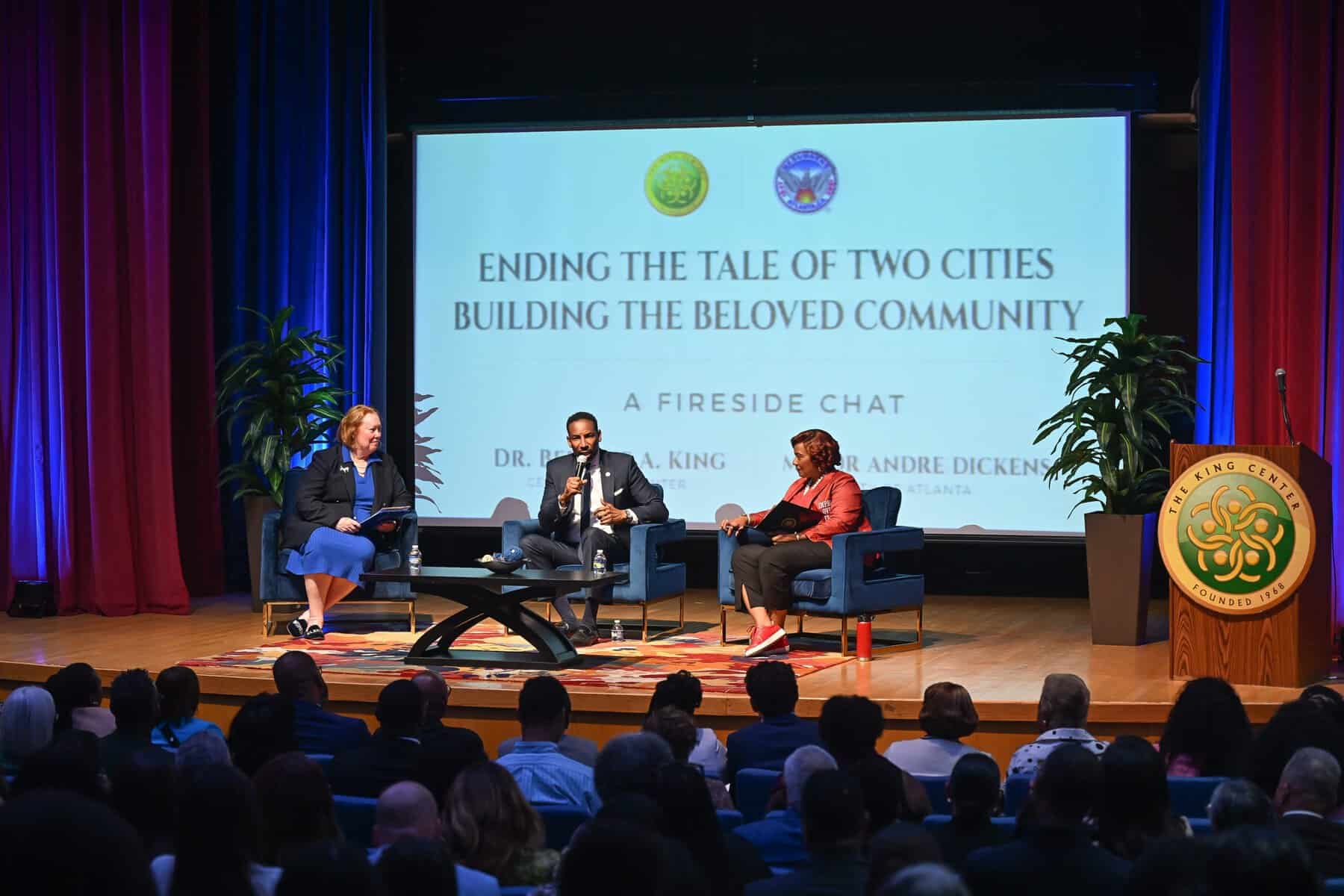
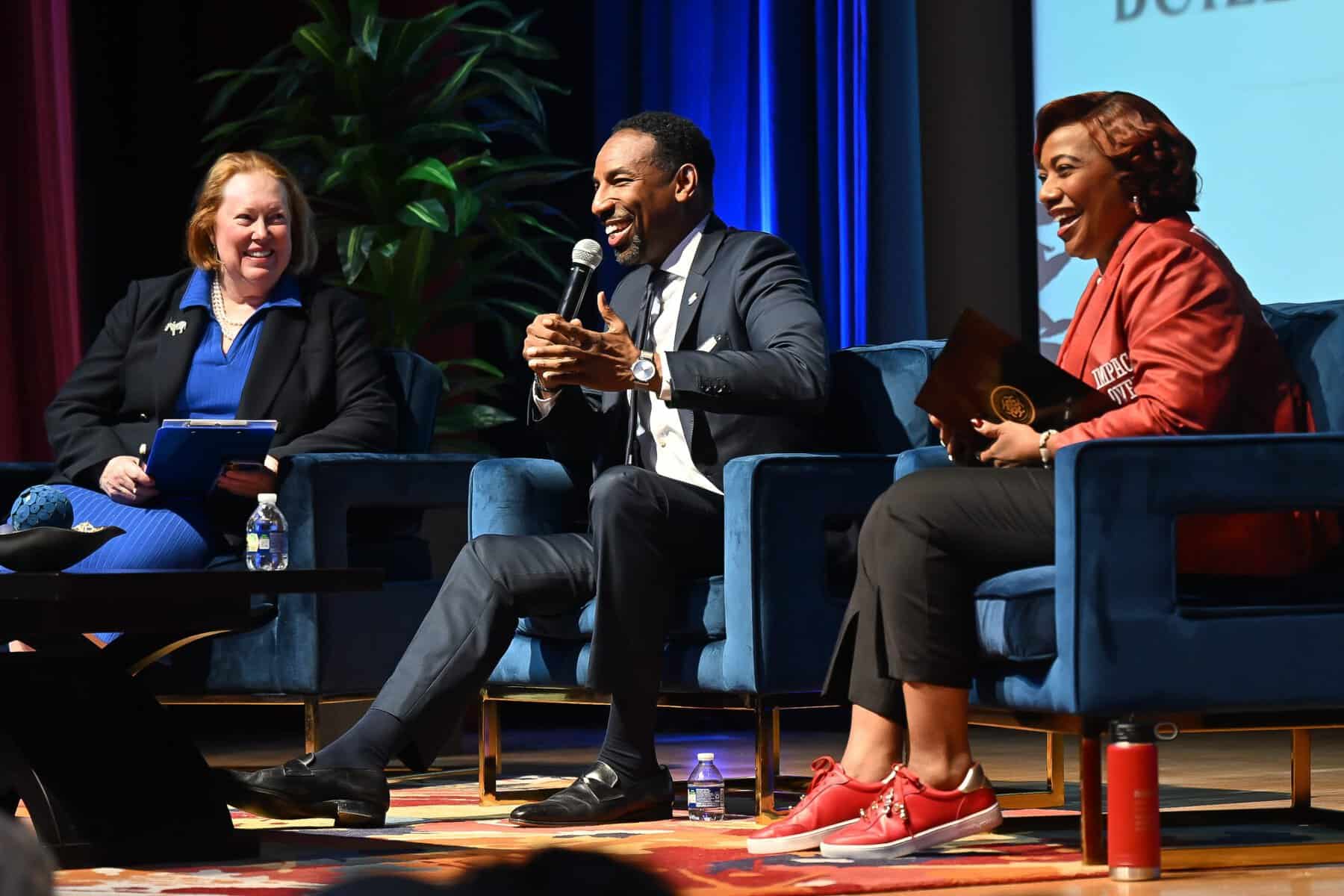
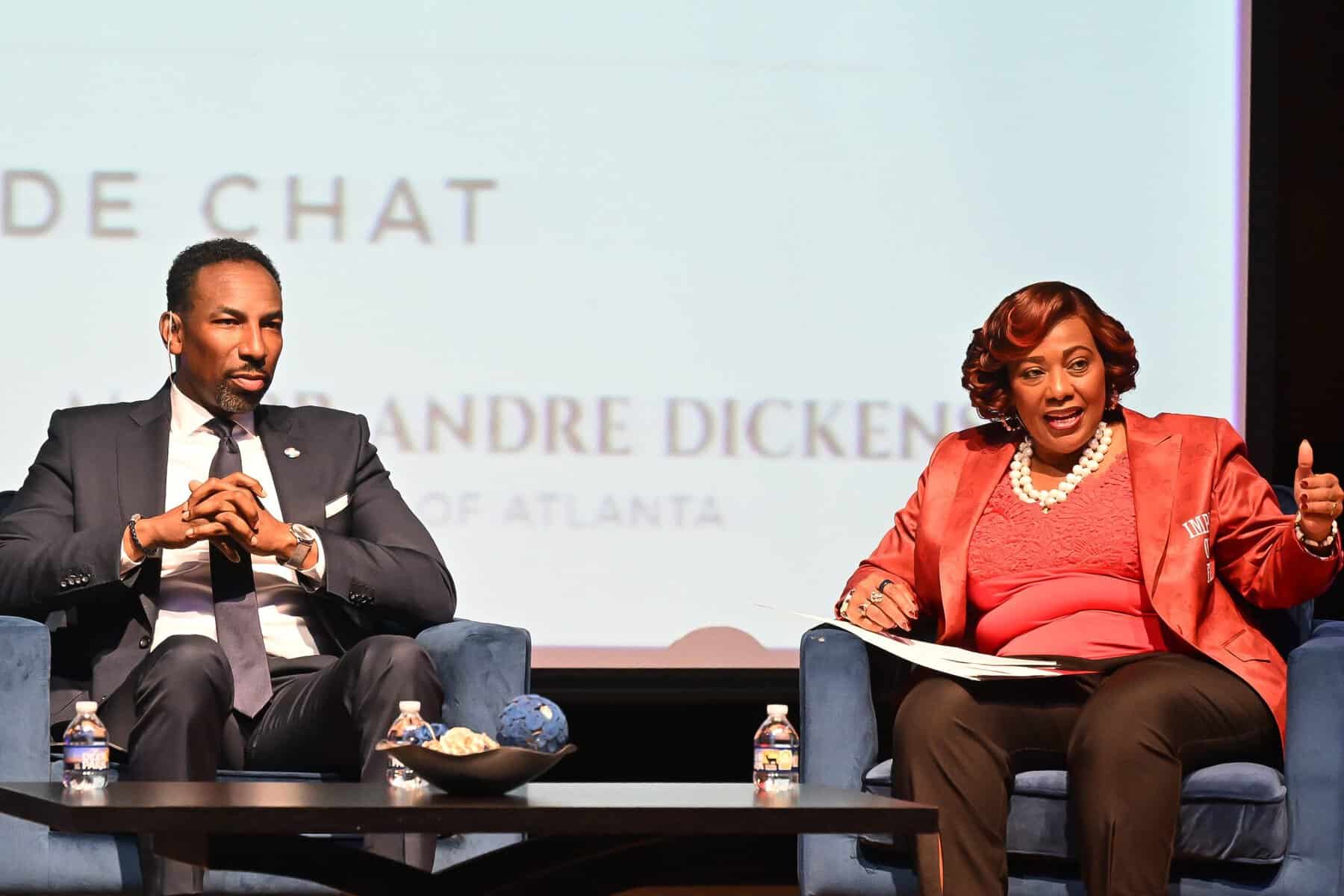
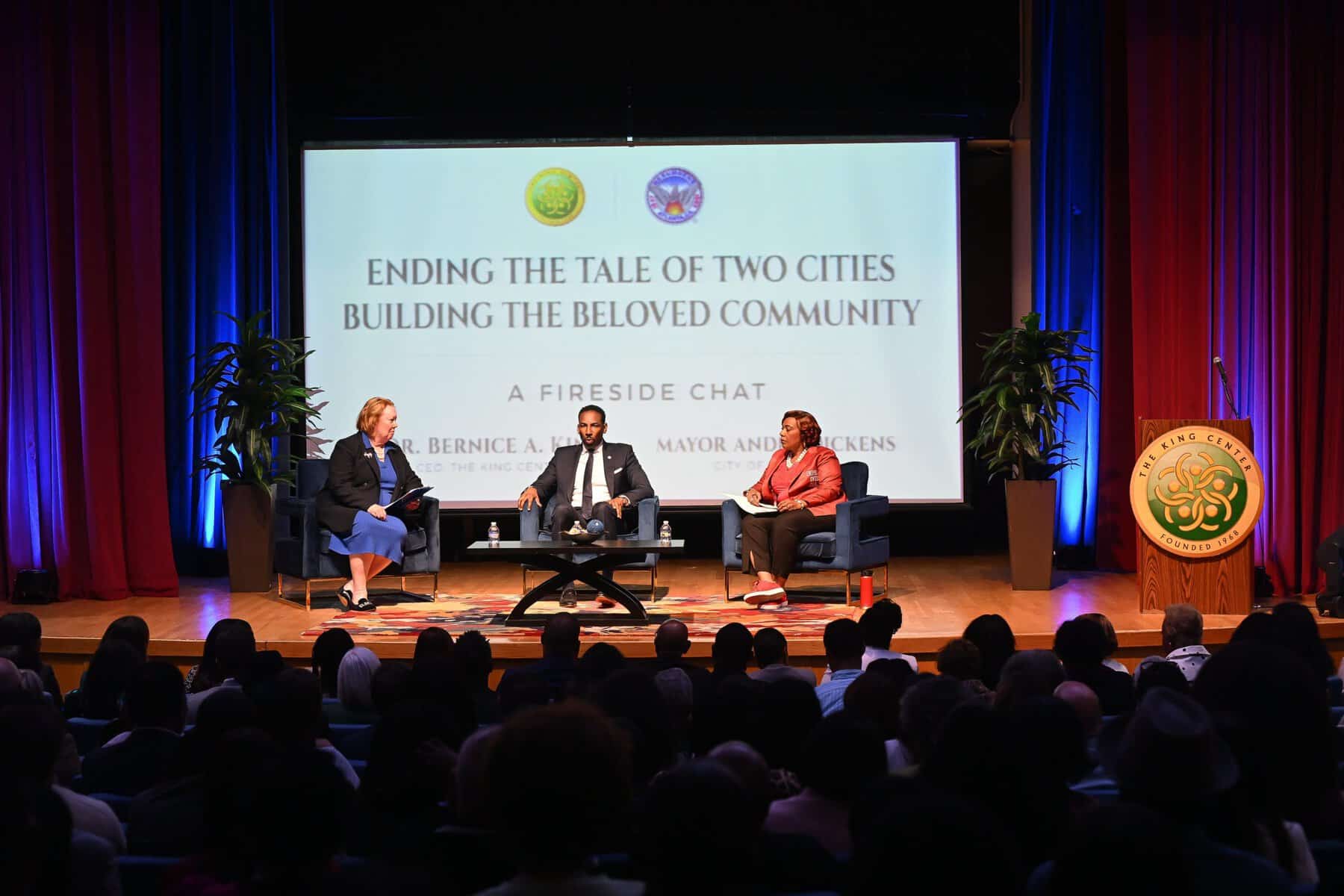
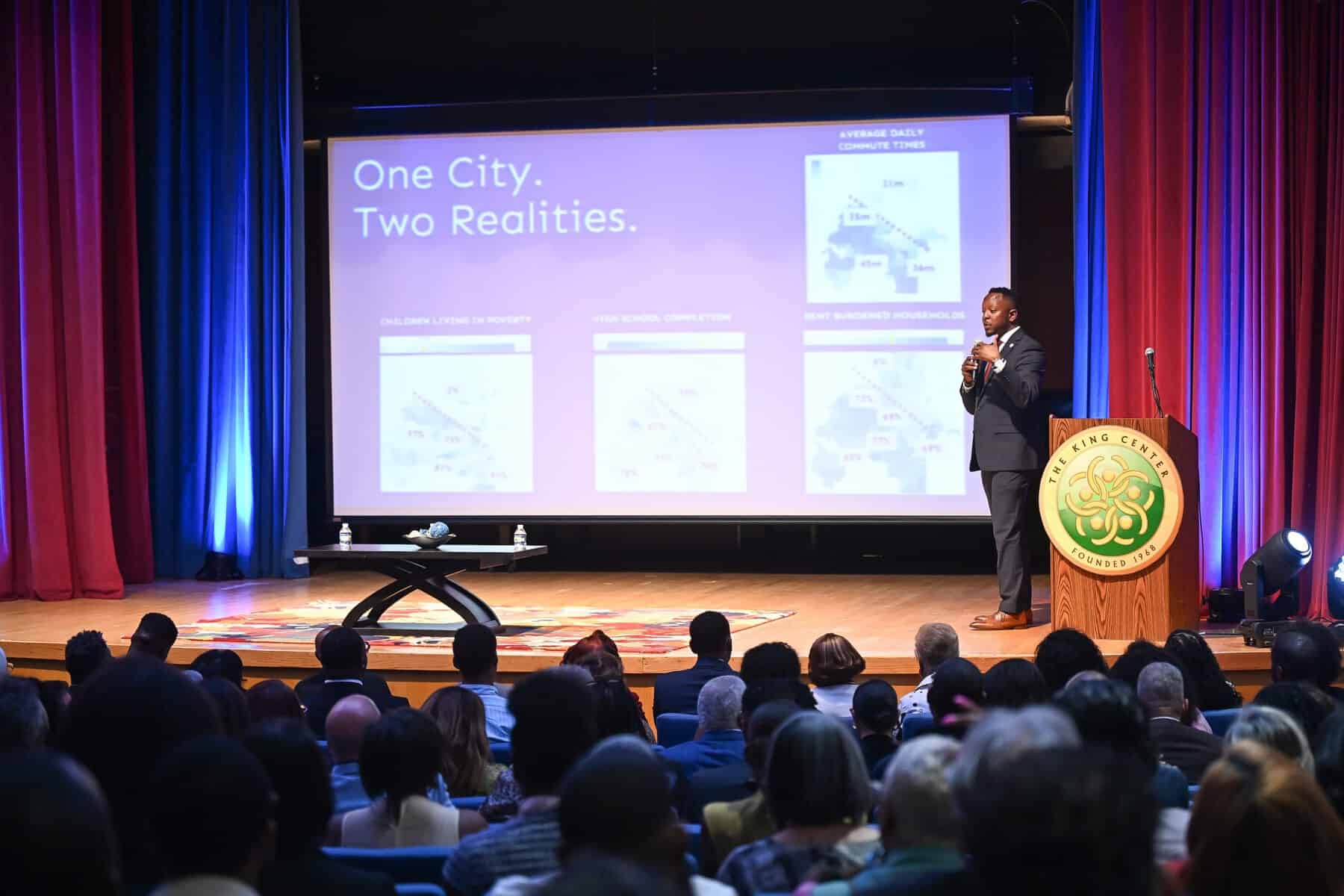
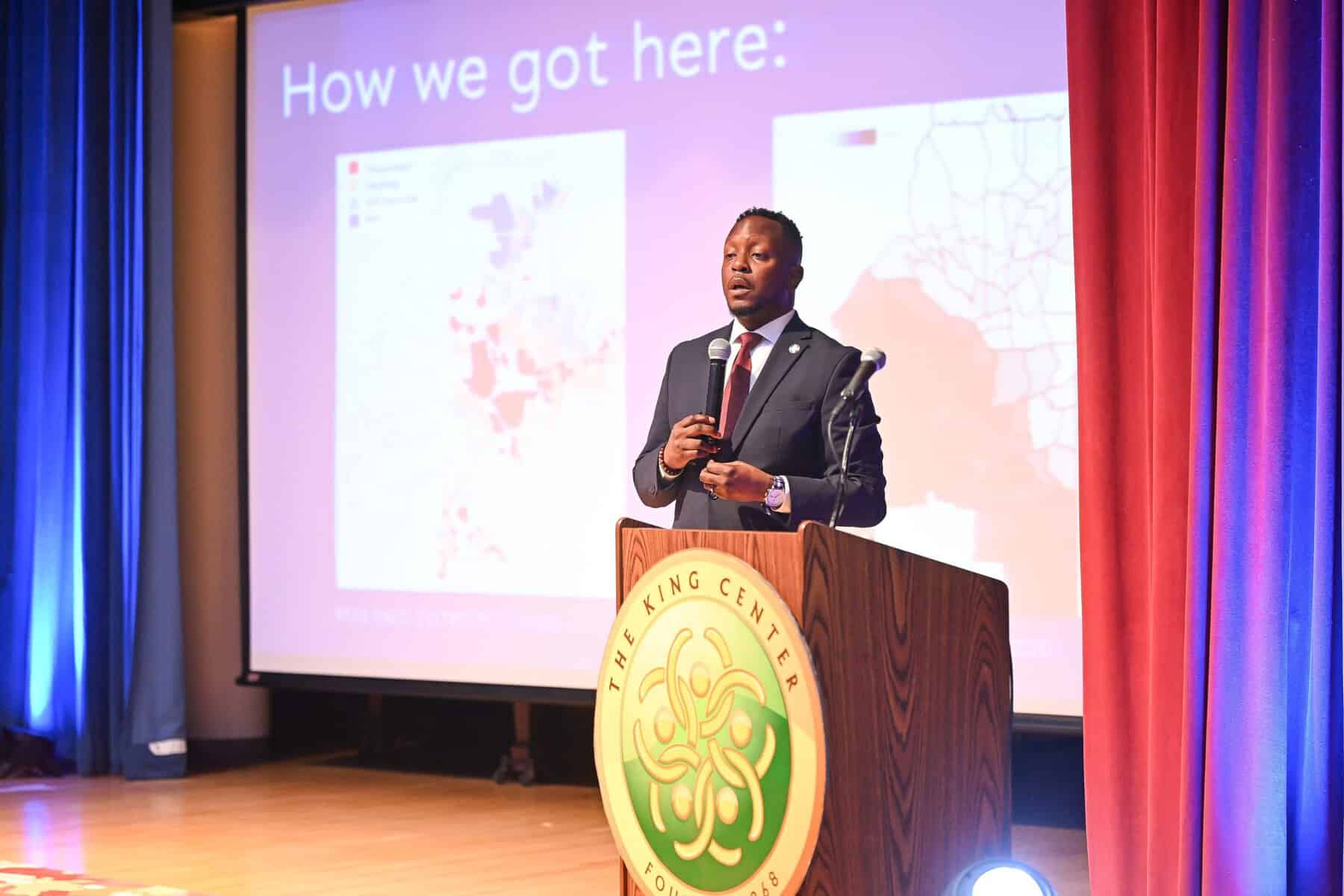
Moderated by Melita Easters, the conversation featured remarks from Chief of Staff Courtney English, followed by a discussion between Bernice King and Andre Dickens centered on equity, neighborhood investment, and the lasting impact of decisions being made today.
Opening the evening, English pointed to stark disparities that continue to exist across Atlanta neighborhoods.
“There’s a 20-year life expectancy gap between 30318 and 30305,” English said. “You can live 20 years longer by being above that line.”
He noted that more than 1,200 children were born last year in neighborhoods experiencing significantly lower life expectancy and said the city has an opportunity — and responsibility — to change that trajectory.
“We think that now is the time to do that work,” he said.
Throughout the evening, speakers emphasized that the conversation was not simply about policy, but about the lived experiences of residents across the city.
“We’re showing that we value certain parts of town more than others,” Dr. King said. “That some people are more worth the investment than other groups of people, and that’s problematic — where your address determines your human dignity.”
Mayor Dickens echoed that urgency, describing the long-term consequences of continued inequity.
The Mayor acknowledged that Atlanta remains “a city with two experiences” and said disparities like a 20-year life expectancy gap are unsustainable for the city’s future.
“When you see something like a 20-year life expectancy difference, you’ve got to know that is unsustainable,” he said.
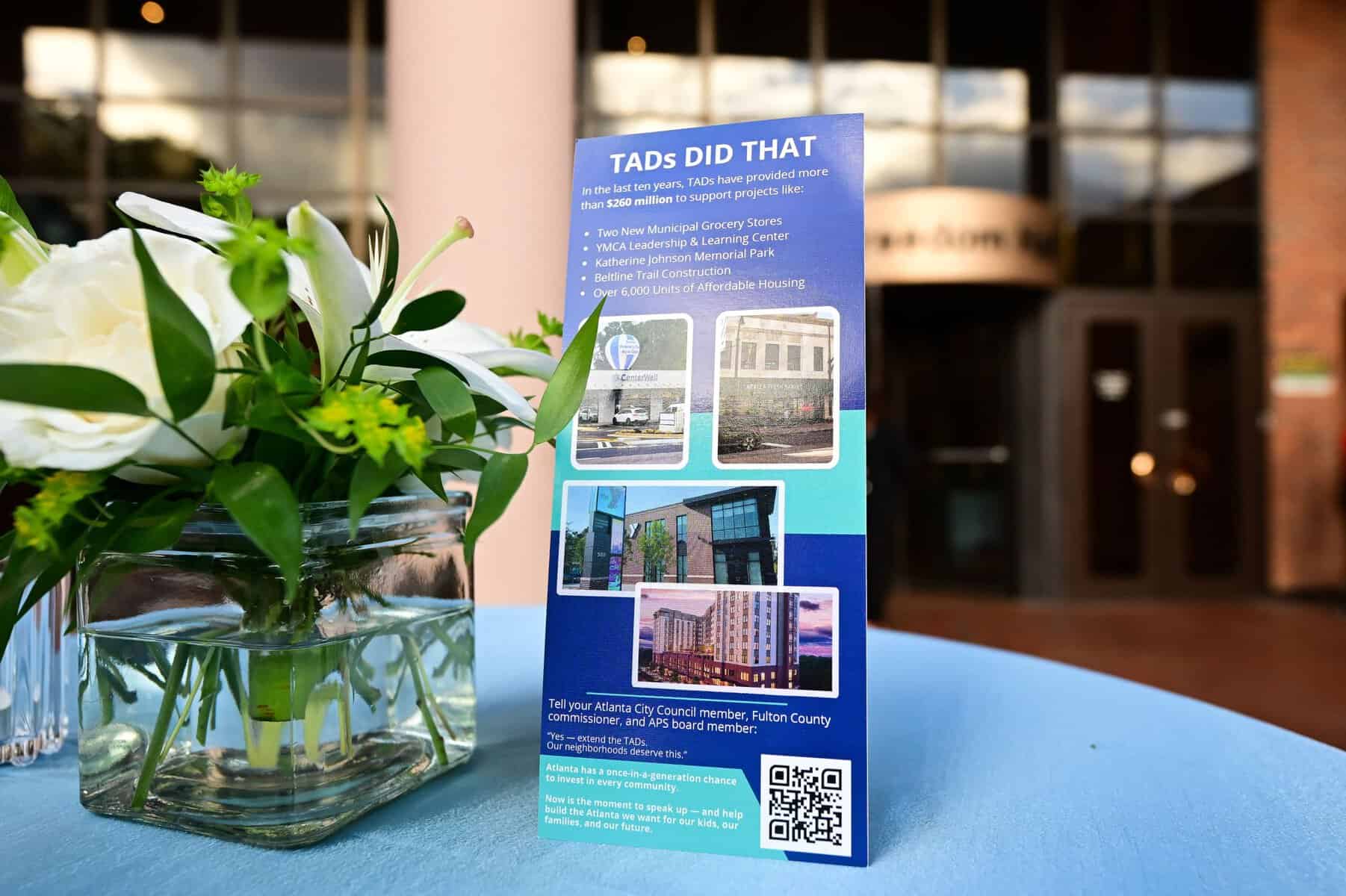
The discussion connected directly to broader conversations around neighborhood reinvestment and equitable development across Atlanta, with speakers repeatedly stressing that the choices made now will shape the city for generations to come.
Rather than ending with broad inspiration alone, the evening focused on action — urging leaders and stakeholders to move from acknowledgment to commitment.
For residents, the conversation reflected larger questions already shaping communities across Atlanta: access to opportunity, investment in neighborhoods, and whether growth is reaching every part of the city. Learn more about the effort to help end Atlanta’s “tale of two cities” — and how to get involved —here.