

Mayor Andre Dickens’ First Term Review, 2022–2025
From 2022 to 2025, the City of Atlanta focused on clear priorities and measurable outcomes. This First Term Review highlights what the Dickens Administration set out to do — and what changed for residents as a result — across housing, youth opportunity, public safety, infrastructure, and city services.
Affordable Housing & Stability
Keeping Atlantans in Atlanta
Affordable housing has been a top priority of the Dickens Administration, guided by a citywide goal to create or preserve 20,000 affordable homes by 2030. Since 2022, Atlanta has delivered nearly 7,000 affordable housing units, with more than 5,300 additional units currently under construction.
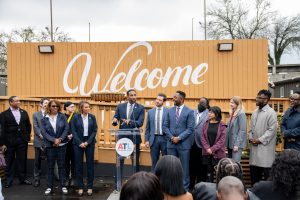

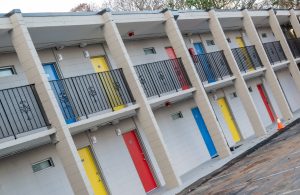
New rapid housing developments — including Melody, Bonaventure, Ralph David House, and Waterworks — are providing pathways to stability for individuals and families across the city.

Youth & Opportunity
Investing early, opening doors
Atlanta has prioritized early and sustained investment in young people. Through the Mayor’s Summer Youth Employment Program, more than 14,000 young people have gained paid work experience since 2022, earning an average hourly wage of $17.27.
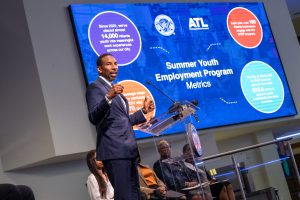
The City also invested more than $20 million in early childhood education, strengthening pathways from early learning through workforce readiness and ensuring young residents have the support they need to succeed.
Public Safety, Parks & Quality of Life
Safety through prevention, response, and care
A city built to live in
Atlanta’s public safety strategy has focused on results through a balanced approach. Since 2022:
- Homicides have declined by more than 40 percent
- Shootings have dropped over 30 percent
- Car thefts are down nearly 40 percent year to date
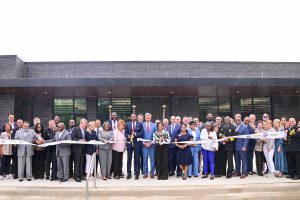

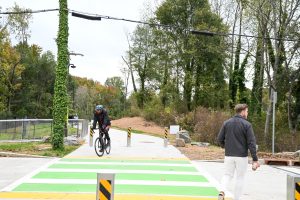
The City also advanced sustainability initiatives, including a nationally recognized EV Readiness Ordinance and new green infrastructure projects that support environmental resilience and healthier neighborhoods.
Infrastructure & Neighborhoods
Fixing what matters, where it matters
The Moving Atlanta Forward infrastructure program launched a citywide effort to rebuild roads, sidewalks, bridges, fire stations, police precincts, and public facilities. Nearly half of all projects are now underway, delivering visible progress in neighborhoods across Atlanta.

- Filled more than 35,000 potholes
- Paved over 200 miles of roads
- Repaired or replaced nearly 37,000 streetlights
Additional investments improved public safety facilities, upgraded parking infrastructure, and advanced major redevelopment efforts in South Downtown, the Gulch, and Centennial Yards, reshaping the city’s core while strengthening surrounding neighborhoods.
The Neighborhood Reinvestment Initiative aligned more than $1 billion in planned public and private investment toward historically underinvested areas, ensuring growth reaches every part of the city.
Making City Hall Work Better
Less frustration, more results
Atlanta strengthened its financial foundation by achieving a historic AAA bond rating, the highest in the City’s history, and maintaining four consecutive years of balanced budgets.
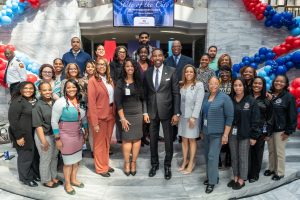
New tools such as ATL BIZ, live chat, and kiosks made it easier for residents and businesses to interact with City Hall.
City employees received pay raises and a $17.50 minimum wage, reinforcing Atlanta’s commitment to being a competitive, ethical employer focused on delivering results for residents.