


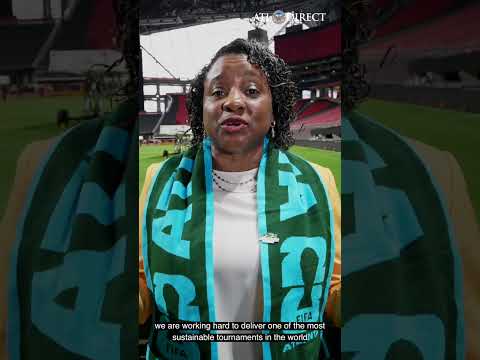
City teams and regional partners are working together through Atlanta’s Environmental Plan for the tournament to reduce waste, expand clean transportation options, protect natural resources, and strengthen climate resilience citywide. The effort supports both the tournament experience and long-term environmental goals that benefit neighborhoods across Atlanta.
From zero-waste matchday operations to expanded transit access and urban tree canopy investments, sustainability is built into how Atlanta is preparing for the global event.
A Sustainable Tournament With Local Impact
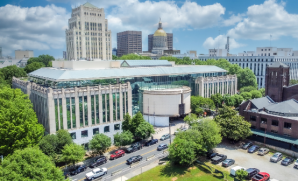
Atlanta’s environmental planning effort brings together partners including Mercedes-Benz Stadium, MARTA, Hartsfield-Jackson Atlanta International Airport, and the Georgia World Congress Center to coordinate sustainability actions across venues, transportation systems, and public spaces.
These efforts support:
- Reduced landfill waste through reuse, recycling and composting programs
- Lower-carbon travel options using MARTA, bike access, and mobility hubs
- Water conservation and hydration station planning in public spaces
- Expanded tree canopy protection that help reduce heat impacts
- Cleaner air and safer streets through reduced congestion and fleet electrification
Together, these actions help ensure the tournament strengthens environmental progress already underway across the city.
Climate Resilient ATL Guides Long-Term Progress
Atlanta’s first climate resilience action plan, Climate Resilient ATL, plays a major role in shaping the environmental approach to the World Cup.
The action plan supports cleaner energy, stronger air and water protections, expanded tree canopy coverage, and improved building sustainability standards. These investments are designed to make neighborhoods healthier, cooler, and more resilient as the city prepares for future growth and extreme weather conditions.
The work also aligns with broader goals to reduce emissions, expand access to fresh food, improve multimodal transportation, and strengthen environmental justice across communities.
Sustainability in Action Across the City
Residents and visitors will see sustainability efforts reflected in everyday experiences during the tournament and beyond.
Examples include:
- Zero-waste operations at Mercedes-Benz Stadium and FIFA Fan Fest
- Safer, more visible micromobility options that expand access to transit and low-carbon travel options
- New access points for locally sourced food
- Enhanced public recycling across downtown and community compost drop-offs
- Youth-led sustainability activations engaging youth across metro Atlanta
These initiatives help ensure the World Cup delivers lasting environmental benefits that extend far beyond matchday.
A Greener Future Starts Now
Earth Day highlights how global events like the FIFA World Cup can accelerate progress already underway in Atlanta neighborhoods.
By combining climate planning, transportation improvements, waste reduction strategies, and community partnerships, the city is building a tournament experience that supports both residents and visitors while advancing long-term sustainability goals.
As preparations continue, Atlanta’s environmental approach reflects a simple idea: hosting the world should also improve life at home.