



The final whistle has blown, but City leaders say Atlanta’s work — and the opportunities created by hosting the FIFA Club World Cup 2026™ — are only beginning.

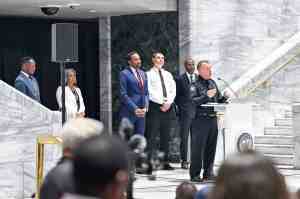
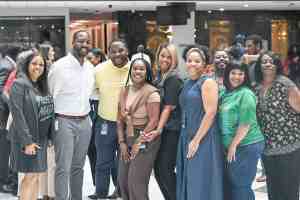
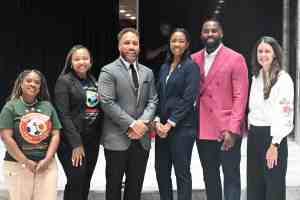
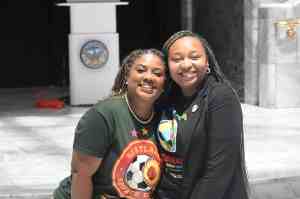
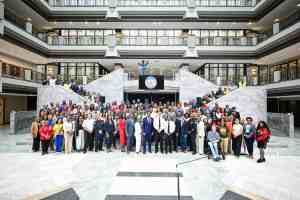
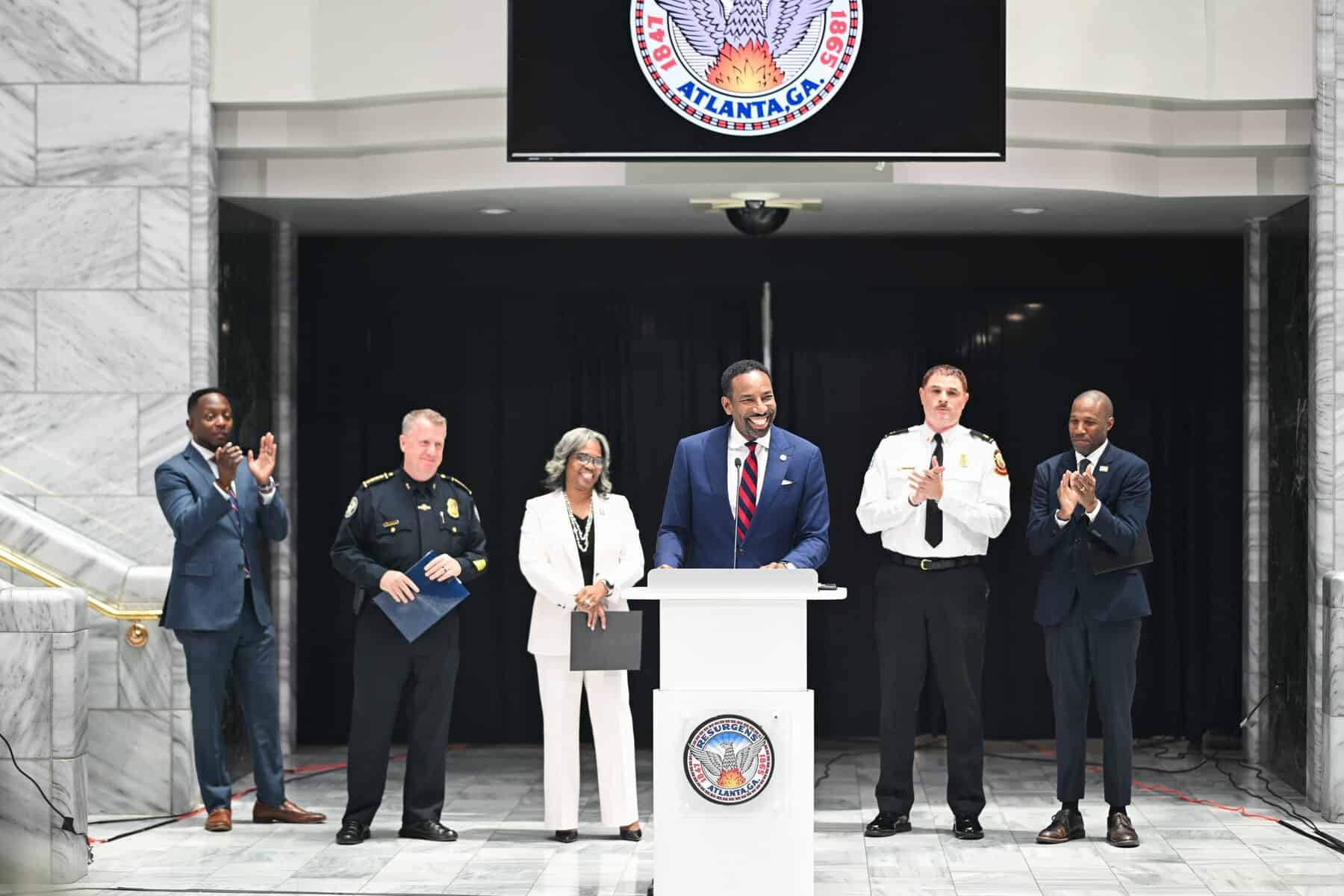
During a closing press conference Tuesday, Mayor Andre Dickens, Chief Operating Officer LaChandra Burks and City leaders reflected on a month that brought millions of fans, eight matches and worldwide attention to Atlanta. Their message was clear: the tournament wasn’t just a successful sporting event. It was a chance to show the world what Atlanta can do.
“Today, we celebrate something extraordinary,” Mayor Dickens said. “Over the past several weeks, Atlanta welcomed the world. Once again, we showed the world exactly who we are.”
Years of preparation paid off
City leaders emphasized that the tournament’s success was the result of years of planning across every level of government and with regional partners.
Burks thanked the thousands of City employees, volunteers, public safety personnel and community partners who worked behind the scenes to prepare Atlanta.
“Atlanta delivered,” she said. “The matches may be over, but the work we’ve done together will continue to benefit Atlanta for years to come.”
She highlighted improvements that residents will continue to use long after the tournament, including:
- Free public Wi-Fi and expanded SMART City technology downtown
- Streetscape and beautification projects
- Enhanced airport operations and visitor services
- Neighborhood watch parties and new community soccer goals
- Public safety coordination through the Joint Operations Center
- Expanded multilingual resources for international visitors
More than a successful tournament
Mayor Dickens said Atlanta intentionally approached the tournament as more than a series of soccer matches.
“From the very beginning, we made a conscious decision that this event would happen with Atlanta, not to Atlanta,” he said.
That meant creating opportunities for small businesses, showcasing local artists and entrepreneurs, connecting residents to resources and ensuring neighborhoods shared in the excitement through community events across the city.
The mayor said those investments leave a lasting legacy that extends well beyond the final match.
A global stage creates future opportunities
While reflecting on the tournament, Mayor Dickens also pointed to what comes next.
Responding to reporters, he said Atlanta’s performance has already sparked conversations with international leaders, consuls general and visiting delegations who left with a new perspective on the city.
Many expressed interest in bringing future conferences, business investments and regional headquarters to Atlanta, he said.
The message they took home was that Atlanta offers something different from traditional gateway cities.
“It’s not just New York or Los Angeles anymore,” the mayor said, explaining that visitors saw a city that is affordable, welcoming, globally connected and uniquely known as the “city in the forest.”
Those impressions, he said, create opportunities that extend far beyond sports.
Building on the momentum
Mayor Dickens noted that Atlanta has long been a global city, pointing to its Civil Rights legacy, Hartsfield-Jackson Atlanta International Airport, higher education institutions and influence in business, culture and innovation.
Hosting the FIFA Club World Cup, he said, reinforced that reputation while opening doors for the future.
“We do not wait for the future,” Dickens said. “We help create it.”
As Atlanta looks ahead to future international events, conventions and economic opportunities, City leaders say the relationships built over the past month may prove to be one of the tournament’s most valuable legacies.
For residents, they say, that’s the real win: using one successful global event to create lasting benefits for Atlanta’s neighborhoods, businesses and economy for years to come.