



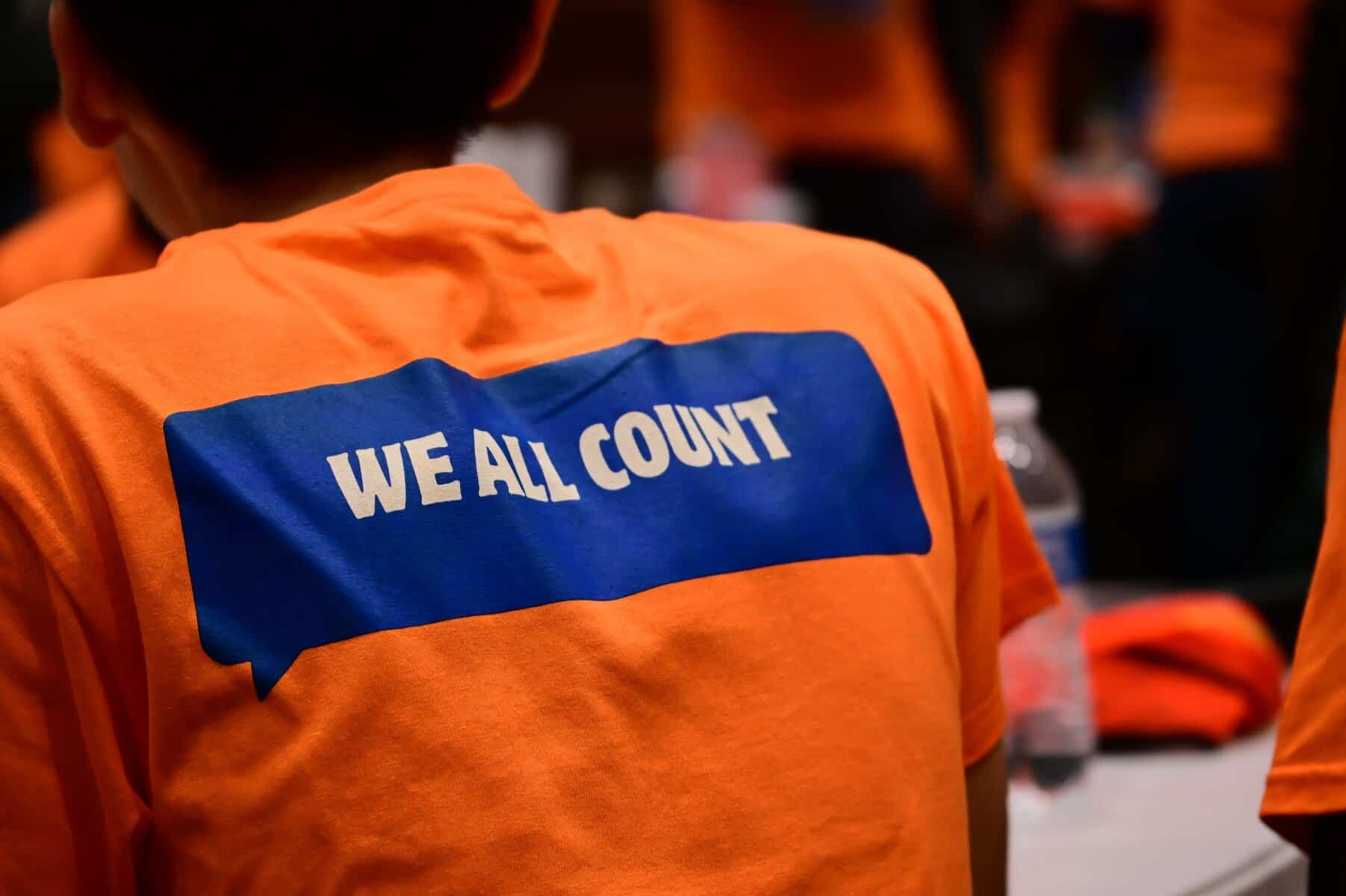
Earlier this week, City leaders, service providers, and more than 120 community volunteers came together overnight at St. Luke’s Episcopal Church to support Atlanta’s 2026 Point-in-Time (PIT) Count — a HUD-required effort to better understand homelessness across the city.

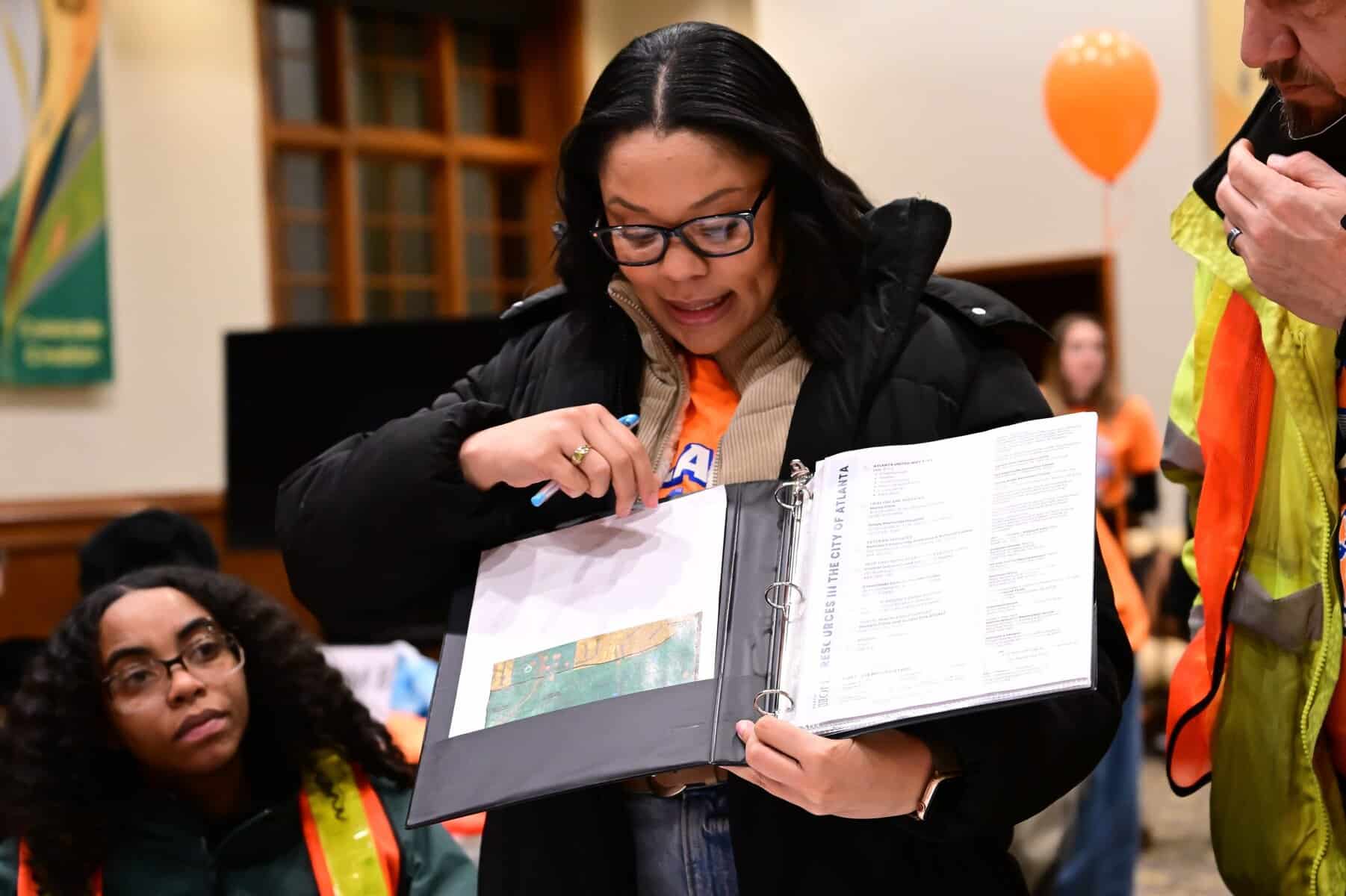
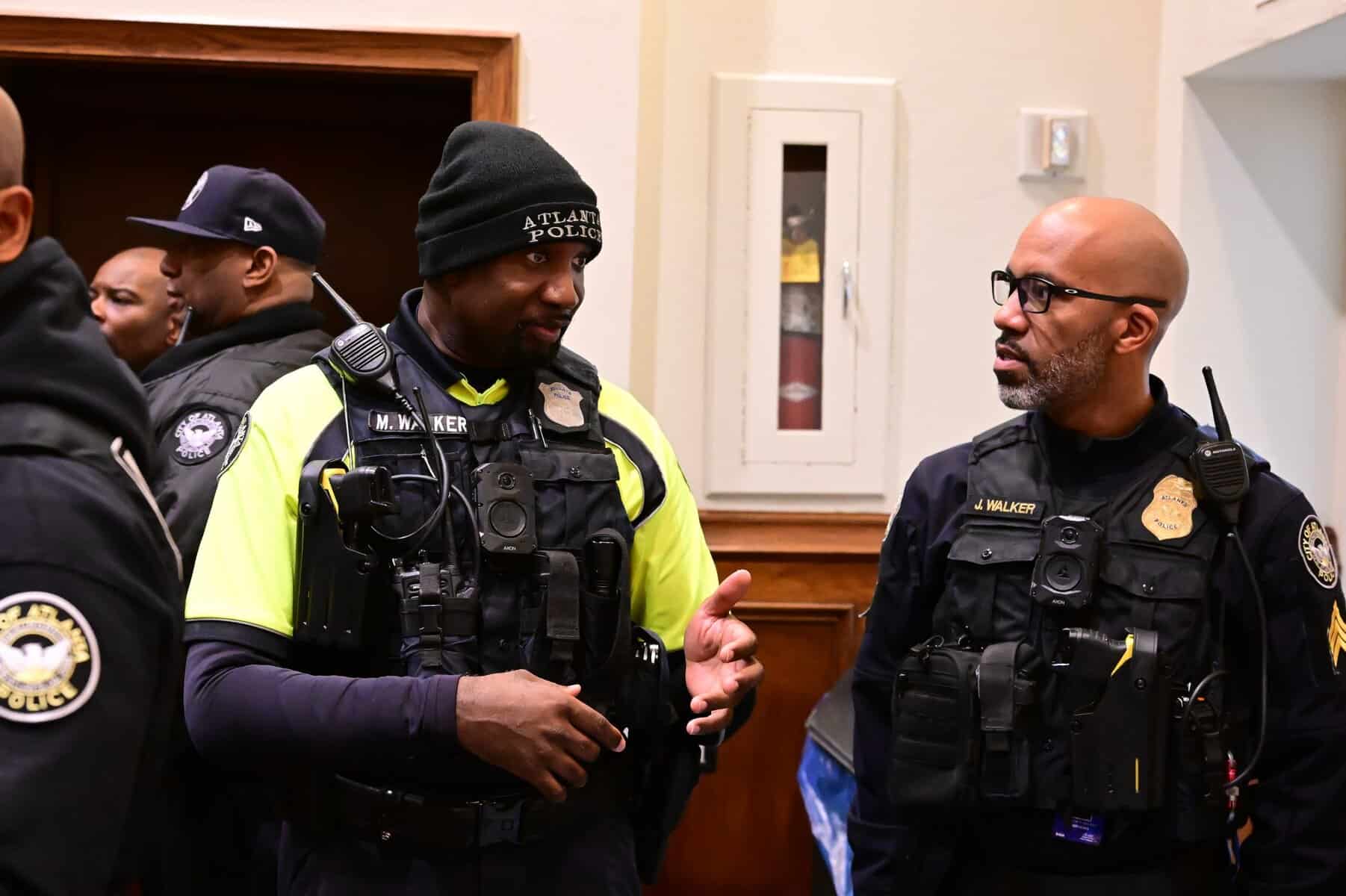
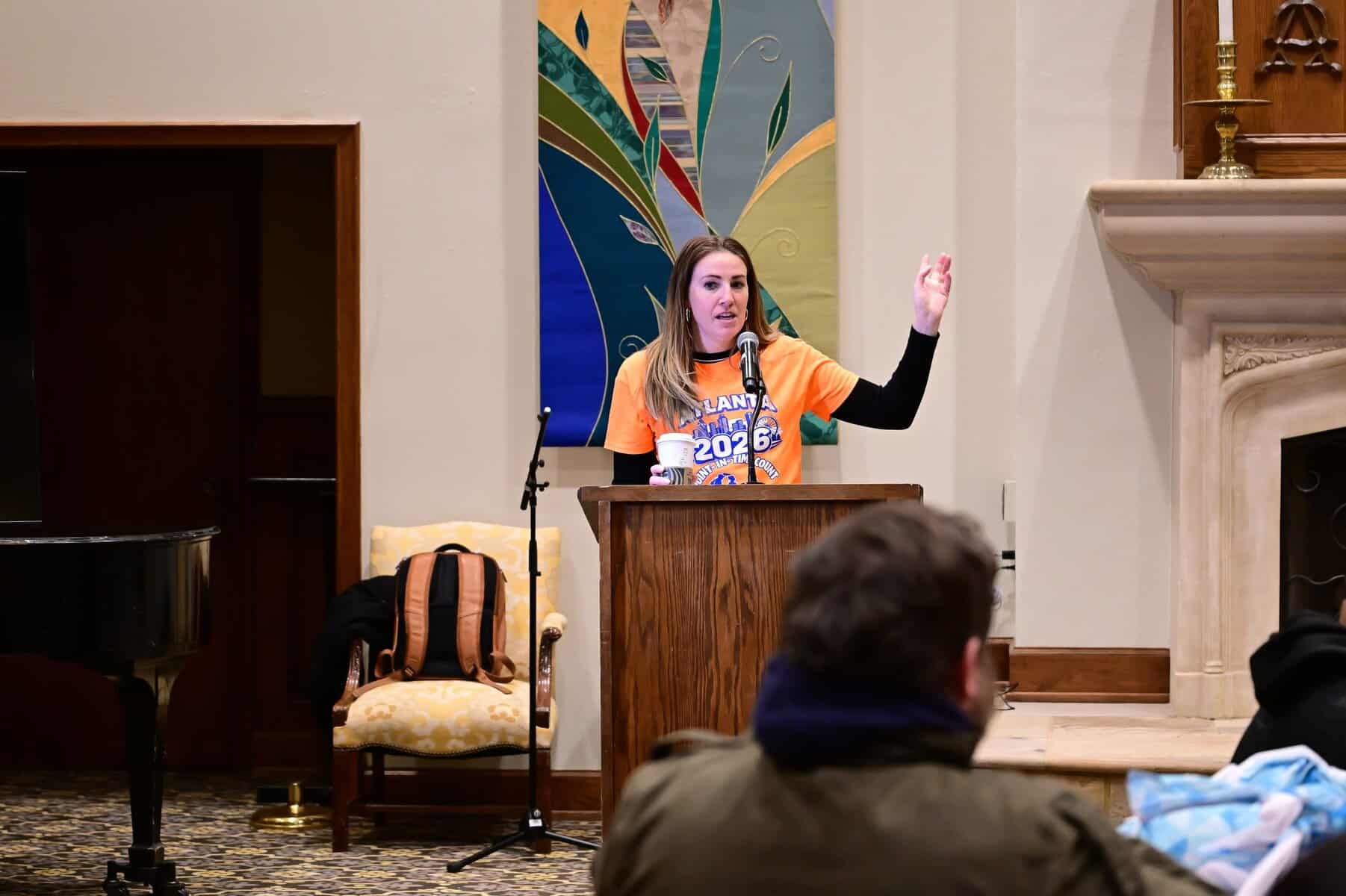
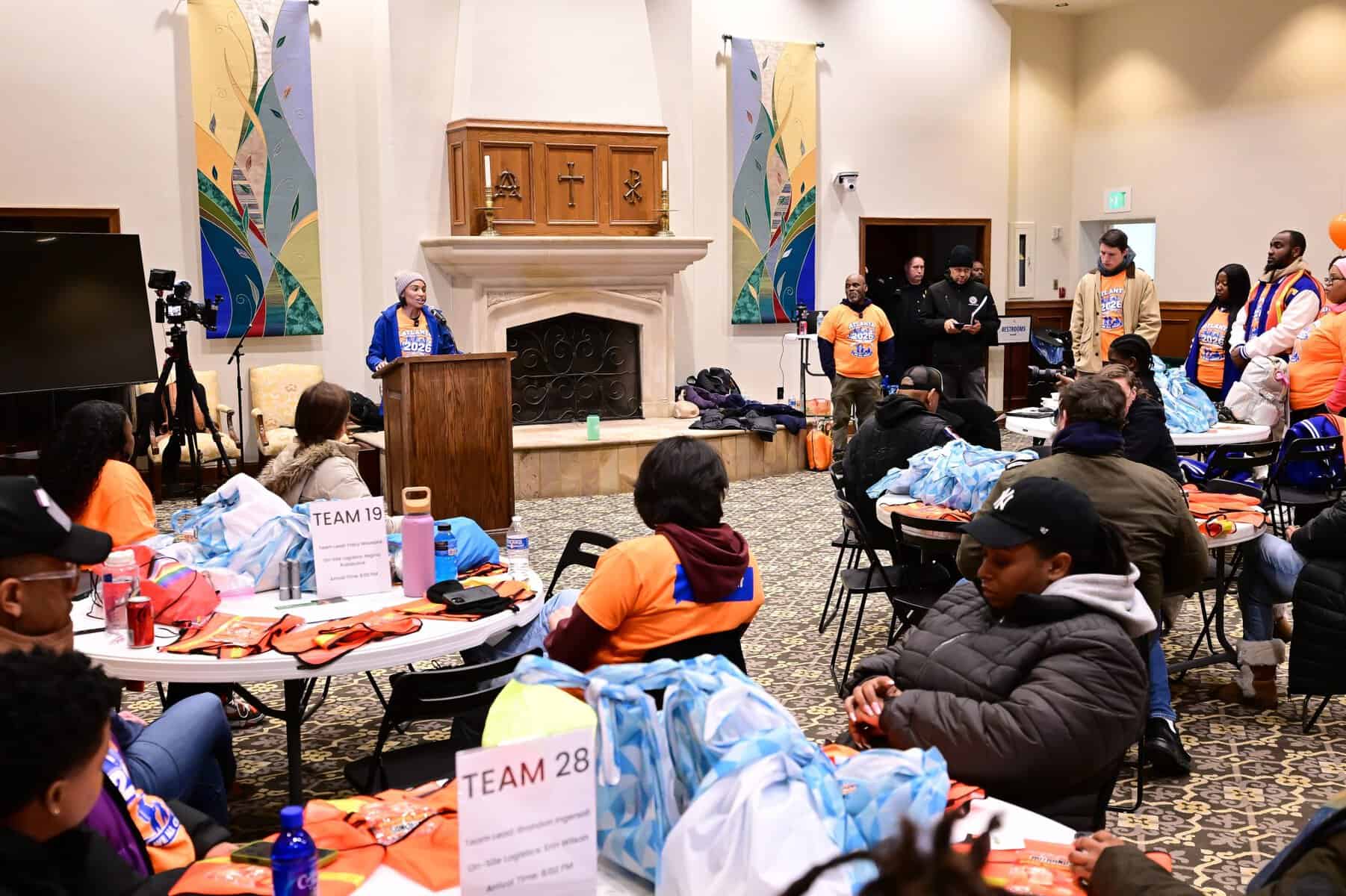
Led by Partners for HOME, the annual count collects critical data on both unsheltered and sheltered populations, helping the City of Atlanta and its partners identify needs, allocate resources, and respond more effectively to homelessness at the local and regional level.
“The point-in-time count gives us facts, numbers, and stories that help us understand who is living unsheltered in Atlanta,” said Chatiqua Ellison, Director of Special Projects. “Once we understand the reality on the ground, we can figure out how to best serve these residents. The data helps inform how we allocate resources, how we target services, and how we make smarter decisions that deliver the biggest impact.”
From the evening hours through early morning, volunteers were deployed across Atlanta to conduct the unsheltered count, meeting people where they are — in encampments, on sidewalks, in parks, and in vehicles — to ensure individuals experiencing homelessness were seen and counted with care and dignity.
The following day, work continued at St. Luke’s Episcopal Church with a focus on the sheltered count, surveying organizations and agencies that provide housing and supportive services to individuals and families experiencing homelessness.
City officials noted that the PIT Count plays a critical role in shaping both federal funding and local decision-making. The data collected informs how resources are directed across the city and supports Atlanta’s broader Pathway Home strategy.
This data-driven approach aligns with Mayor Andre Dickens’ continued emphasis on turning care into action. During the Mayor’s first term, the City worked with City Council to dedicate the most resources to people experiencing homelessness in Atlanta’s history — including the delivery of approximately 500 units of rapid housing, expanding the City’s ability to move people through the system and connect them to help faster.
Before teams deployed, community leaders underscored the human importance of the work.
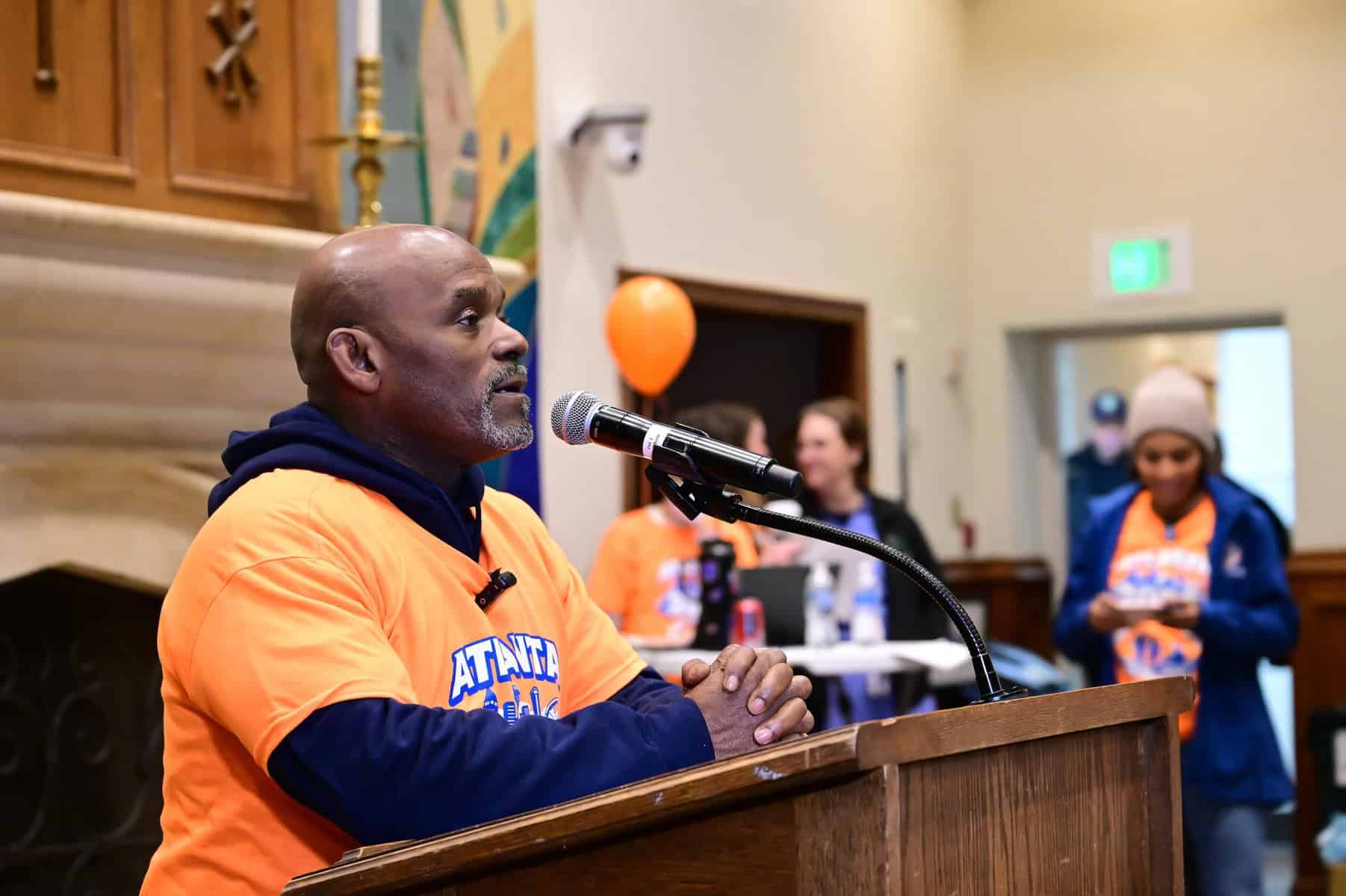
“These kinds of efforts don’t happen without deep, heartfelt commitment,” said Rev. Sean Smith, addressing volunteers. He emphasized the importance of helping the public better understand who is being served and remembering that Atlanta’s unhoused neighbors are people deserving of dignity, compassion, and respect.
Members of the press accompanied volunteers throughout the night, and Partners for HOME staff documented the effort. The annual PIT Count remains a foundational tool for Atlanta — grounding policy decisions in real conditions and reinforcing the shared responsibility to address homelessness across the city.